Child Poverty Action Lab
Nonprofit / Community Development
Dallas, Texas
2026
One in five Dallas children grows up in poverty. The Child Poverty Action Lab exists to cut that in half within a single generation — not by running programs, but by rethinking how data gets built into public systems, community programs, and neighborhood life. CPAL convenes the CEOs of Dallas' largest public agencies, leaders who collectively steward more than $10 billion in operating budget, alongside 100+ partner organizations. The machinery was there. What it needed was a face. Good Word documented three neighborhood resource fairs across the summer — photo, film, and social — and trained CPAL's interns to keep doing it.
Deliverables
Awareness, turnout, and a funder-ready record
Timeline
Summer 2026
Role
Photo, film & social documentation
Platform
Three neighborhood resource fairs
We embedded with Child Poverty Action Lab during their summer internship program — on site with staff and interns to capture the people behind the mission. The result is a short film about why the next generation of impact leaders shows up, what a summer at CPAL teaches them, and how early curiosity becomes real commitment. It’s a reminder that investing in young talent is investing in the work itself.
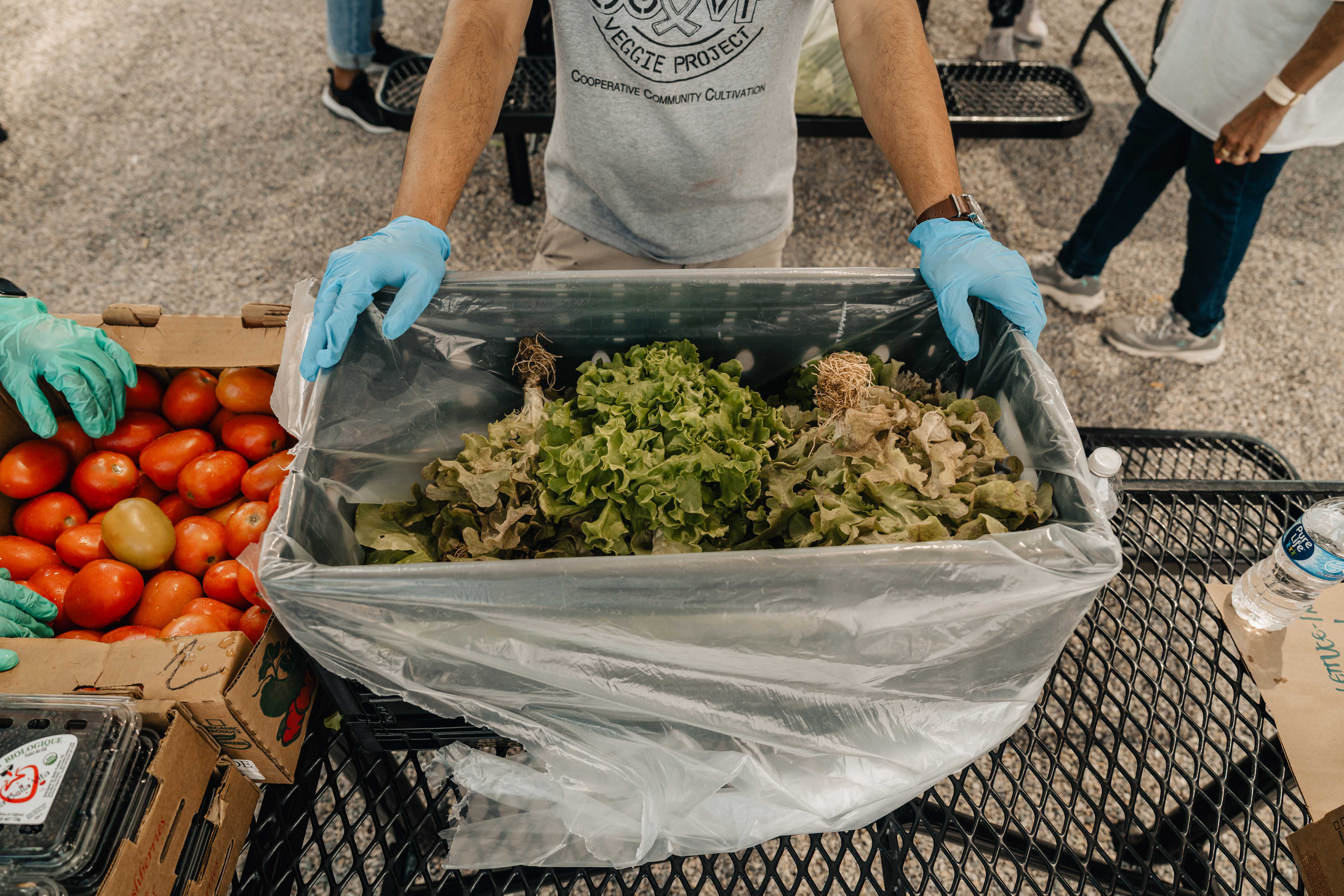
Dallas is the ninth-largest city in America, and more than a third of its residents live in a food desert. Dallas County's food insecurity rate sits at 25% — five points above the national average. In parts of South Dallas, the nearest grocery store is a bus transfer away, and a week's food costs a day of your life to go get. It is a food shortage hiding in plain sight in a major American city, and most of the city has no idea it is happening. CPAL was already solving for it — putting fresh produce, hot meals, and benefits screeners directly onto the block. The work was invisible. That was the problem.
Make the shortage impossible to ignore — and make the solution impossible to defund. Turn a quiet neighborhood program into something a program officer can see, a donor can share, and a neighbor can find. Then leave CPAL holding the capability, so the awareness keeps compounding after we go home.
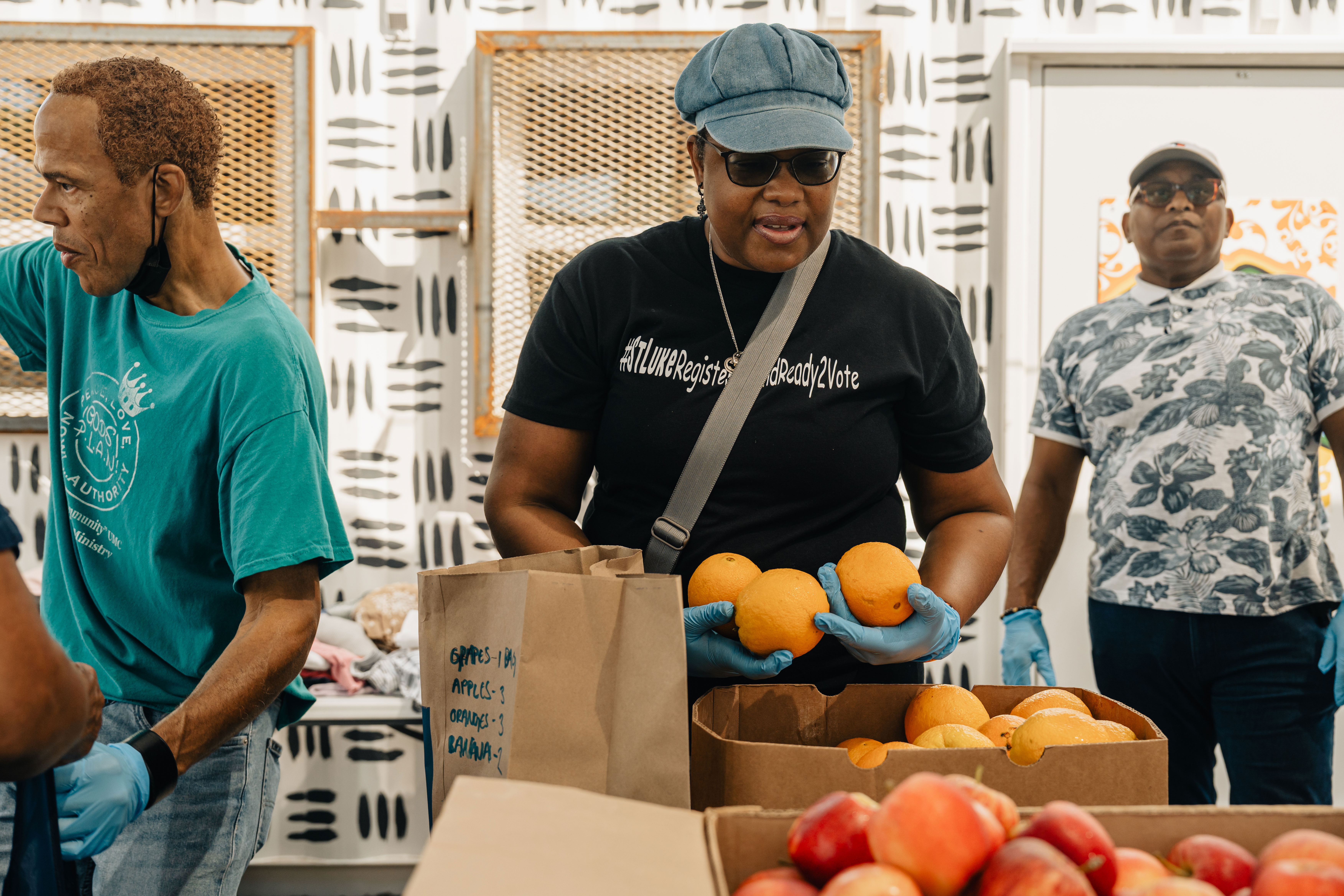
Food insecurity is usually argued in percentages, which is exactly why nobody moves on it. We put a face on the number. The result: a body of images that let CPAL walk into a funding conversation and show the shortage and the solution in the same frame — and let a neighbor scrolling at home recognize their own street and show up next time.
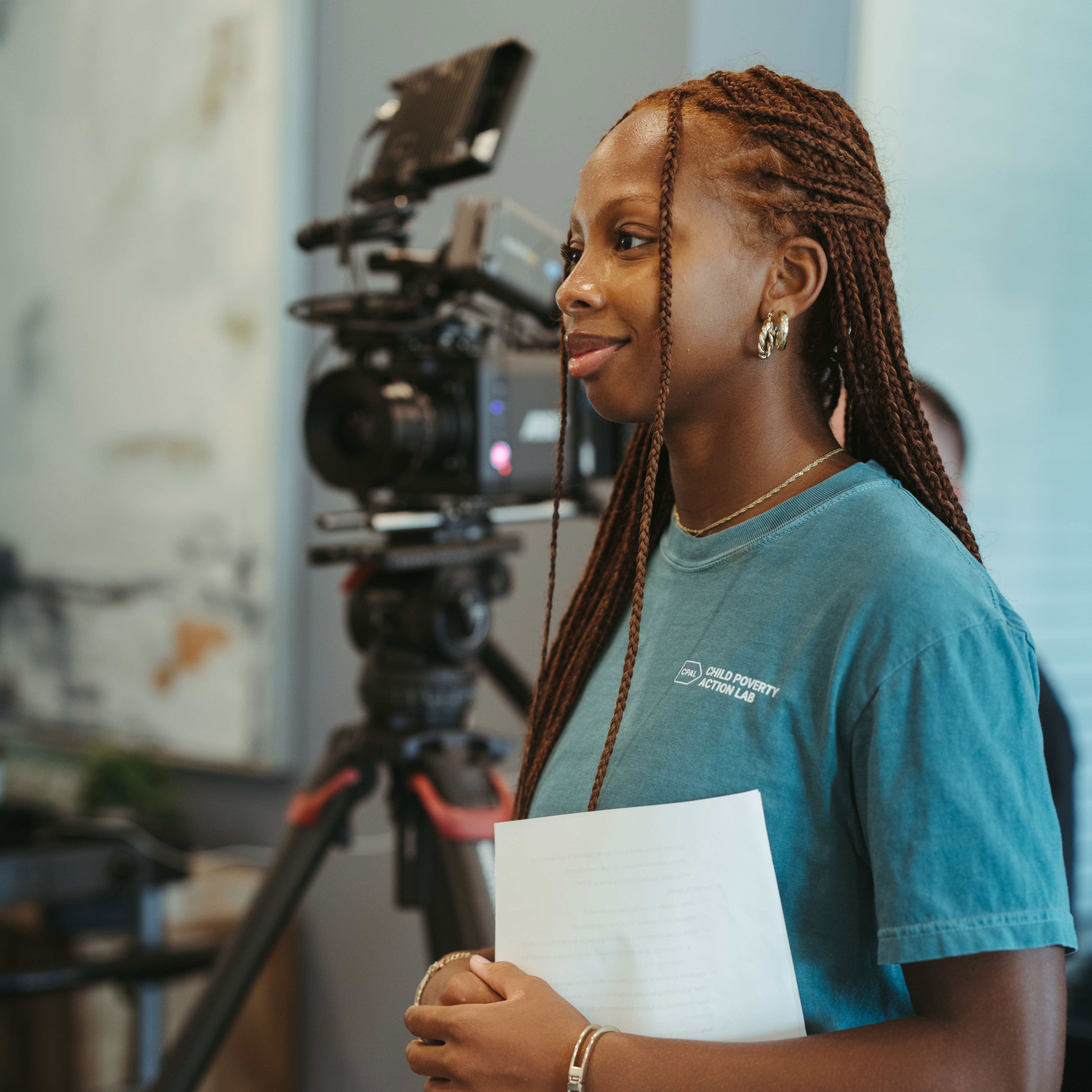
A fair on one block solves hunger for one block. Film is how it scales. What we captured now travels into rooms the fairs will never reach — grant committees, agency briefings, donor decks — arguing that this model works and deserves to be repeated across the city. The neighborhood stays local. The case for it does not.
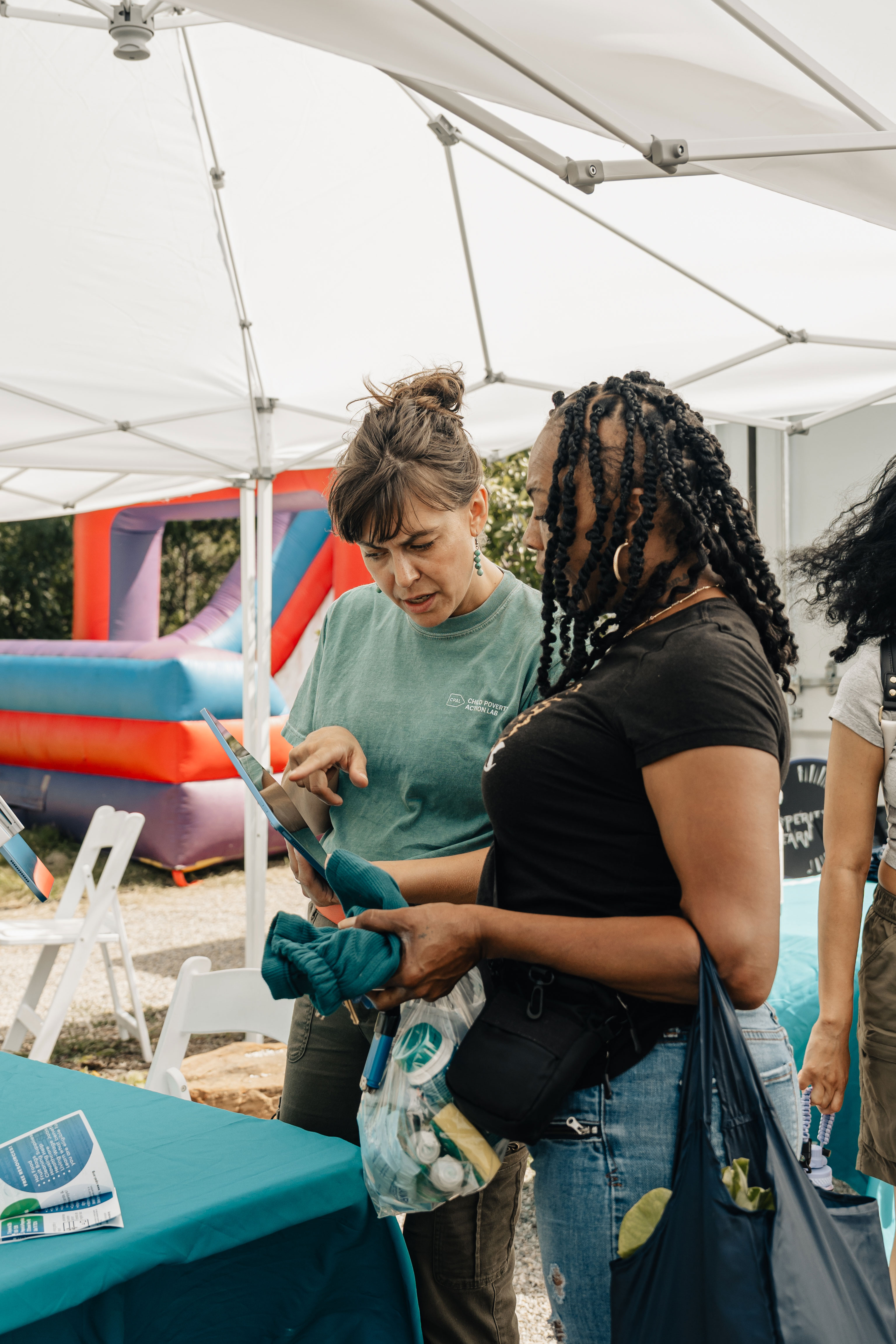
The people who most need a food fair are the hardest to reach with a press release. So the story went where they already are — short, vertical, captioned, watchable with the sound off. Awareness that does double duty: it tells the city a shortage exists, and it tells the neighborhood where to show up on Saturday.
An agency that documents three fairs buys a nonprofit three fairs' worth of proof. An agency that teaches the team to shoot buys them every fair after that. We turned each event into a live training ground for CPAL's summer interns — what a funder needs to see, how to cover a day so nothing critical is lost, how to cut for a feed. The food shortage doesn't end in September. Neither does their ability to make people look at it.
There was no audience to inherit — no back catalog, no archive, no head start. The channel launched cold. Thirty days later, a food shortage most of Dallas didn't know it had was in front of people 33,800 times. Awareness where there had been none, built on nothing but the strength of what was captured. And the reach is only the surface. CPAL now walks into grant committees, board rooms, and donor conversations holding proof — of the shortage, and of a model that answers it. The fairs feed a block. The record makes the case for the city.
Views in the first 30 days
Interactions from a cold-start audience
Documented across one summer