Oak Cliff Veggie Project
Nonprofit / Food Access
Dallas, Texas
2026
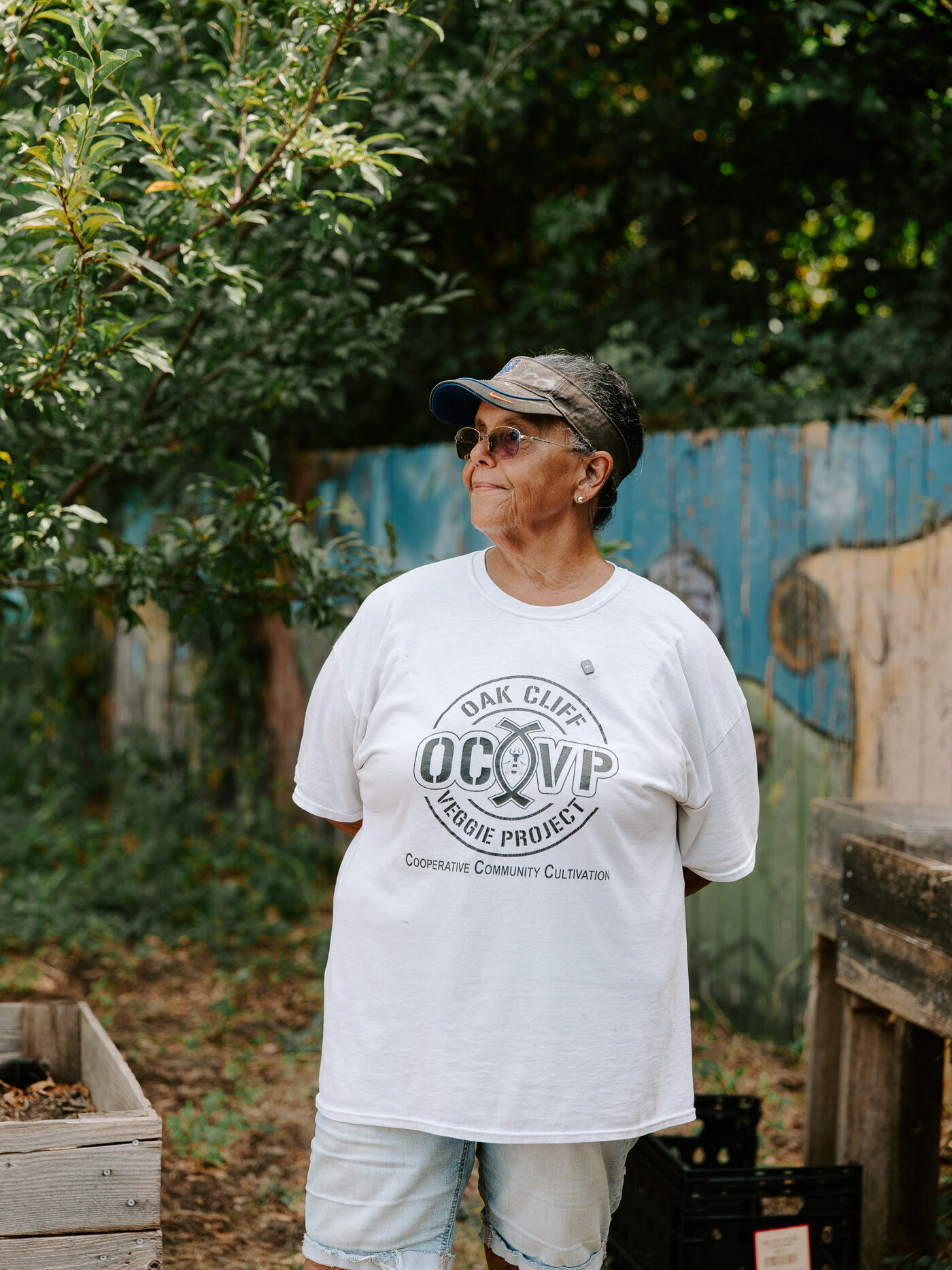
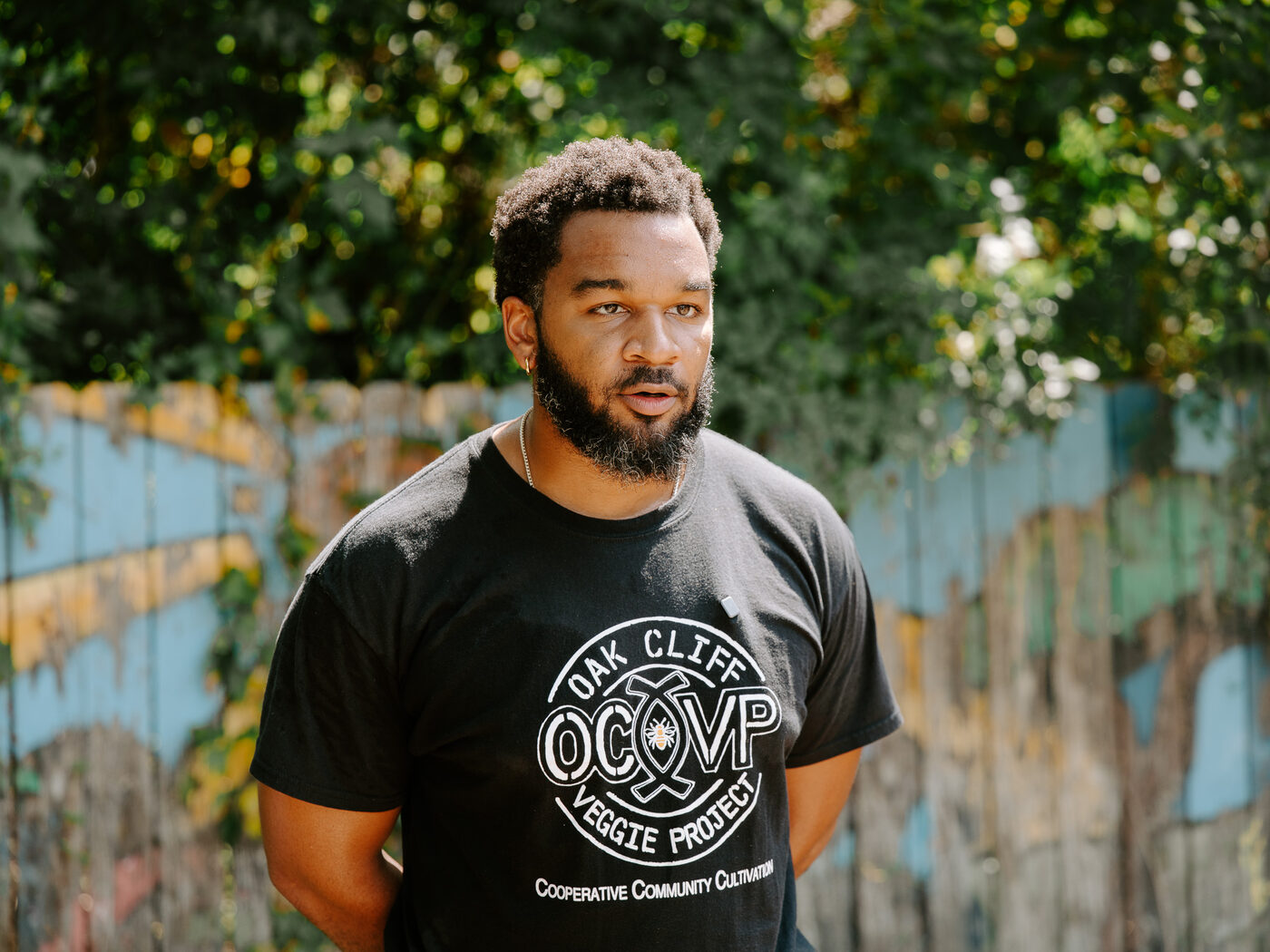
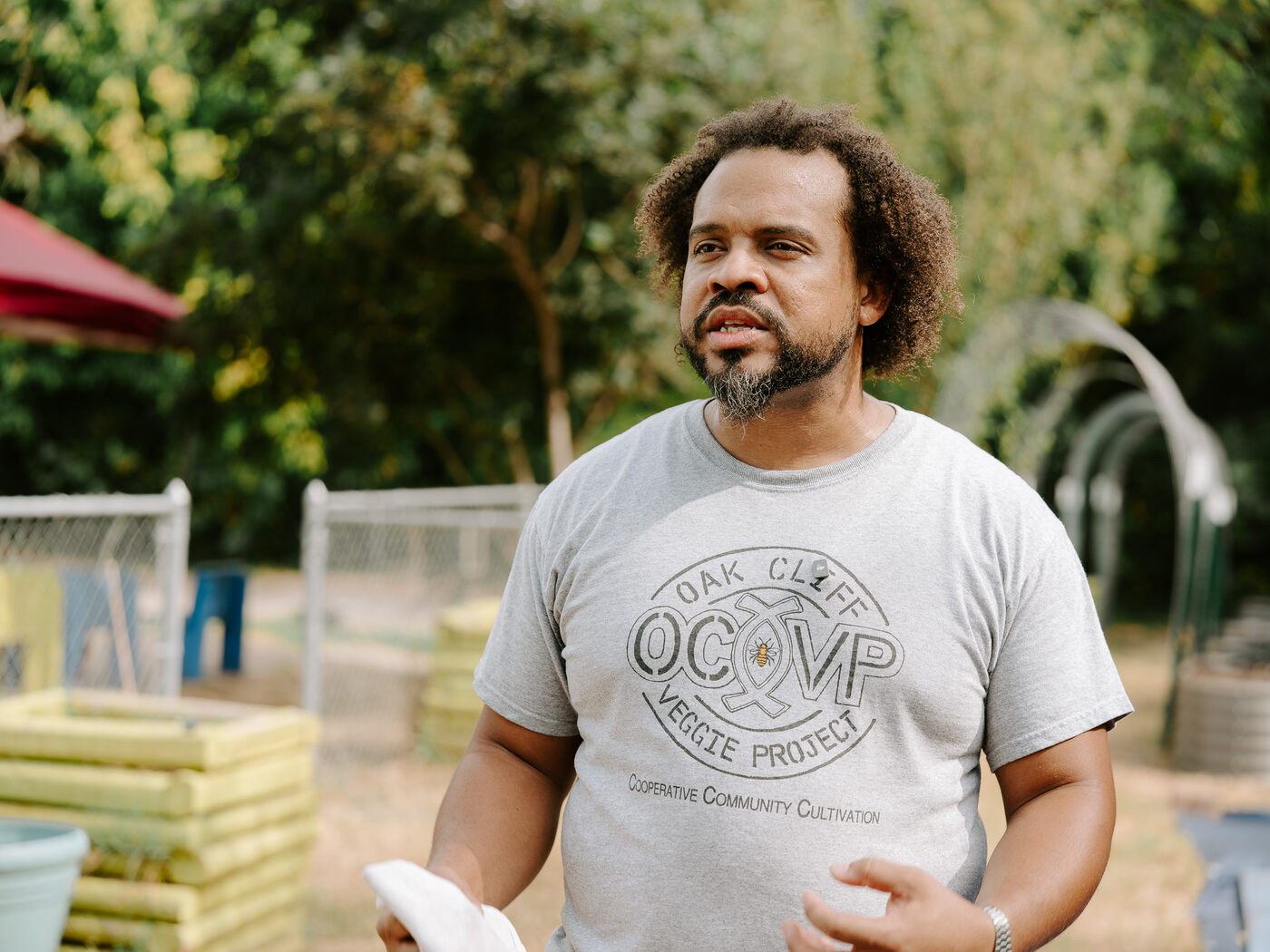
The Oak Cliff Veggie Project grows fresh produce in Dallas' historic Tenth Street neighborhood, one of the few remaining Freedman's Towns in the country. Bettie Montgomery started it as a family venture with her husband and their four children. Her son Ples runs it now as a nonprofit, with the 10th Street Community Garden, a greenhouse under development at Roosevelt High School, and a hydroponics lab at Deerpath. Good Word built the campaign that carried that story into North Texas Giving Day: strategy first, then a shoot across all three sites, then six short films, a long-form piece, and a run of platform posts.
Deliverables
Nonprofit campaign strategy, film, photography, and social content
Timeline
Summer 2026
Role
Campaign strategy, video production, photography, and social media
Platform
Instagram, LinkedIn, and YouTube Shorts
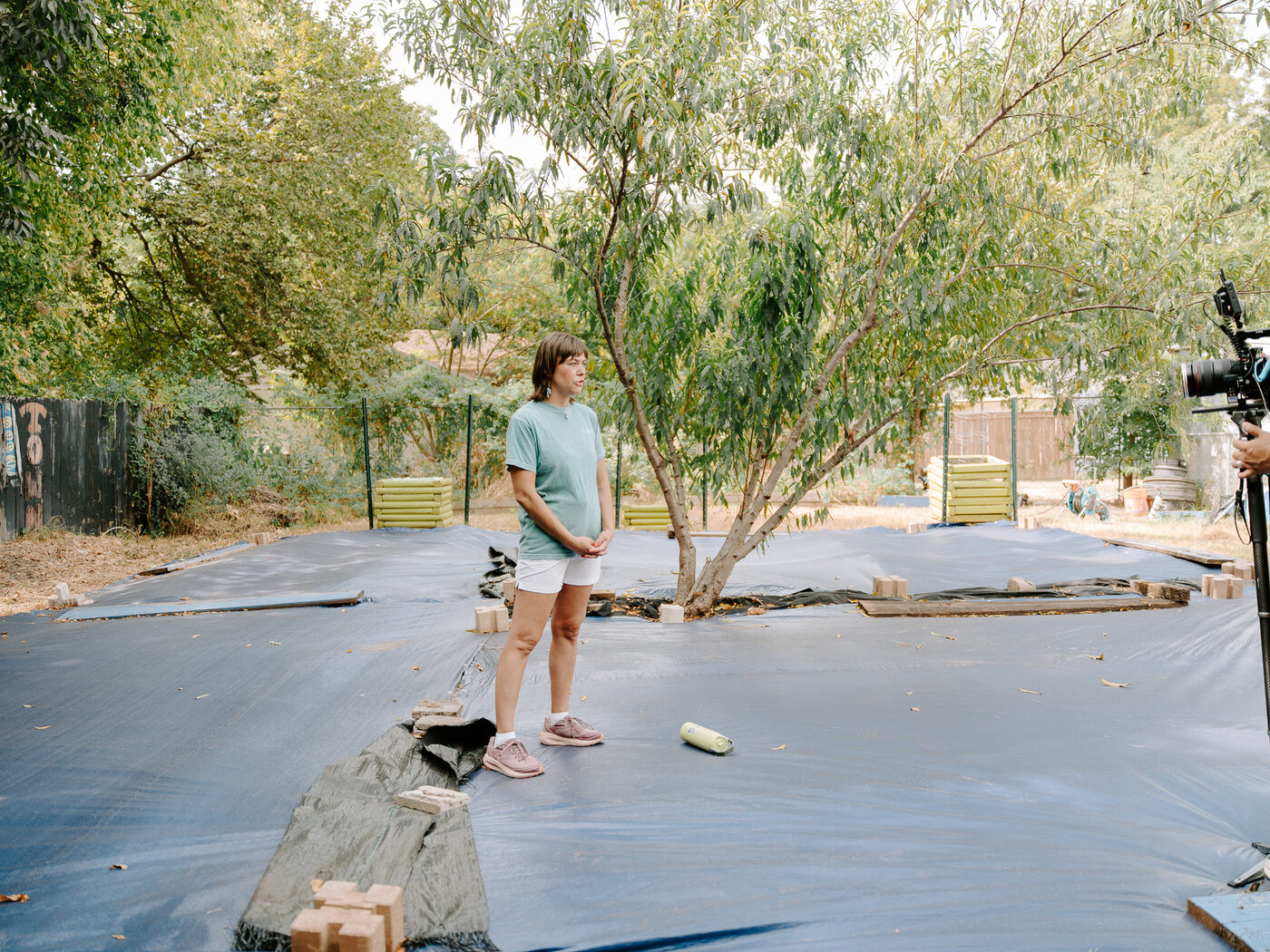
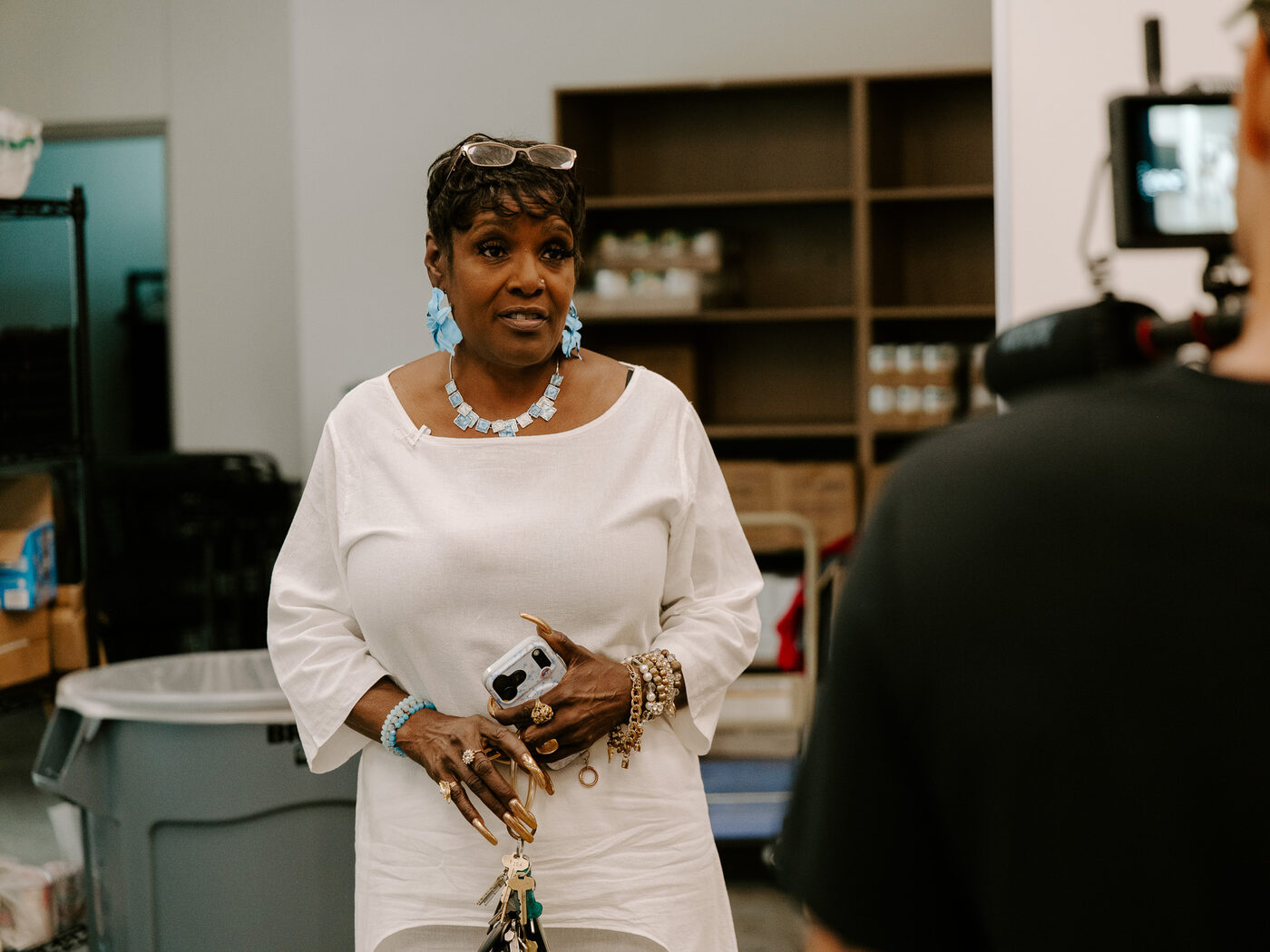
Every interview was cut for a feed. Six short films, each built around a single voice: Bettie Montgomery on why she started it, President Nelson on Tenth Street's history as a Freedman's Town, a volunteer named Sarah on garden work days, and the students the greenhouse and hydroponics lab are being built for. Captioned, vertical, and watchable with the sound off.
Oak Cliff has been a food desert for decades, and the reason is documented. Interstate 30 came through Tenth Street in the 1950s and took hundreds of structures with it. Residents left. Grocery stores closed or relocated. What remains is a neighborhood where the nearest fresh produce is a drive away, and where families rely on whatever is convenient. OCVP has been answering that with raised beds, monthly food distributions, and school sites for years. What it did not have was a campaign that made any of it legible to a donor who has never stood in the garden.
Give North Texas Giving Day a reason to land here. Connect the history most donors do not know, that Tenth Street built its own institutions once before, to the thing being asked for now. Tie the $50,000 goal to what it actually buys: more frequent distributions, fuller food bags, working transport trucks and cold storage, and staff for the education work. Then leave OCVP holding a library of film, photography, and copy it can keep running after the giving day closes.
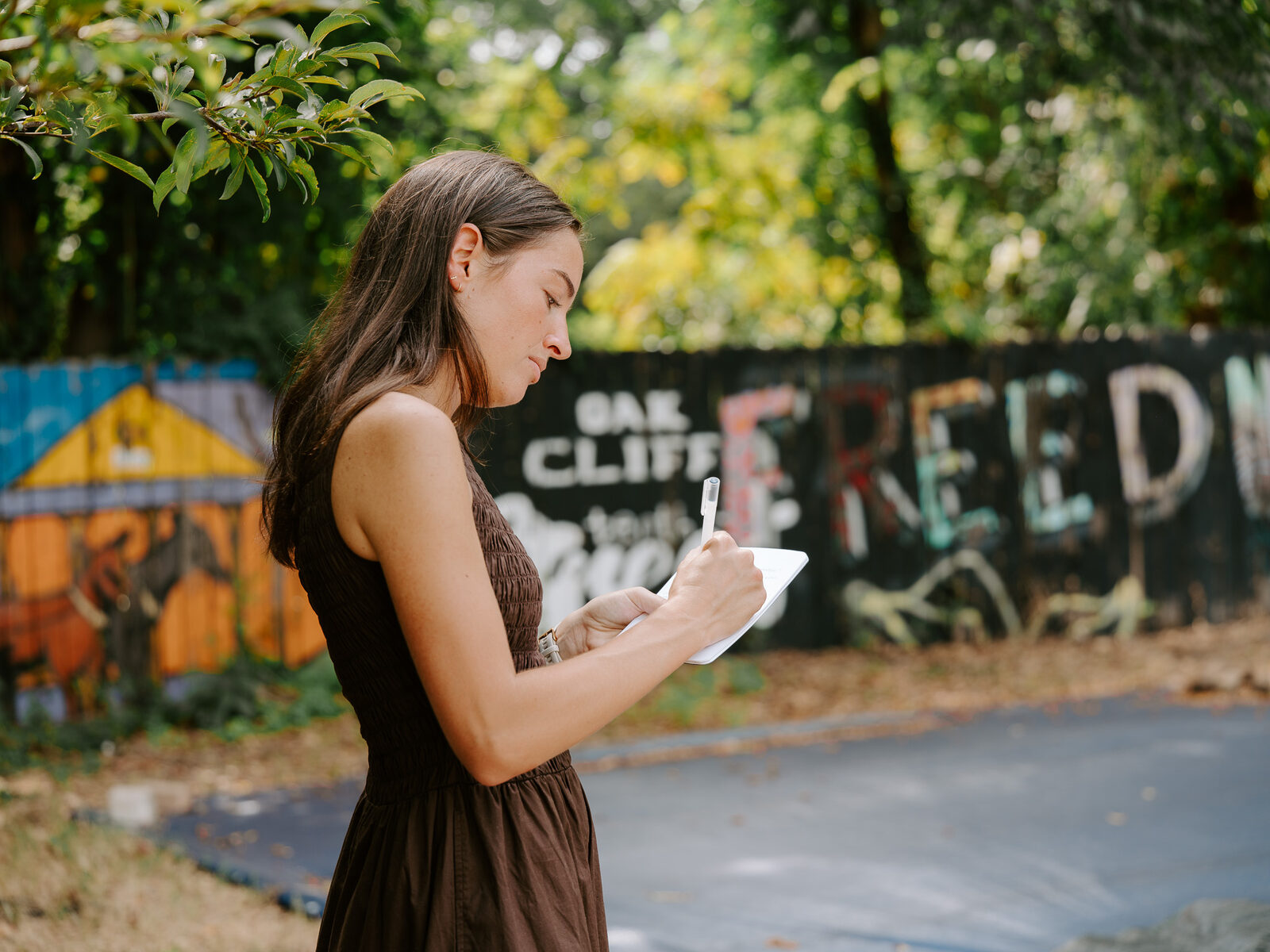
Before a frame was shot, we set the campaign's job. Not awareness: a gift, on a specific day, from a specific person. That meant naming the audience (Dallas donors who give on North Texas Giving Day and have never heard of Tenth Street), naming the belief that had to change (that a community garden is a gesture rather than infrastructure), and naming the ask in terms of what it buys. Every asset after that had one job in a sequence that ends on the donation page.
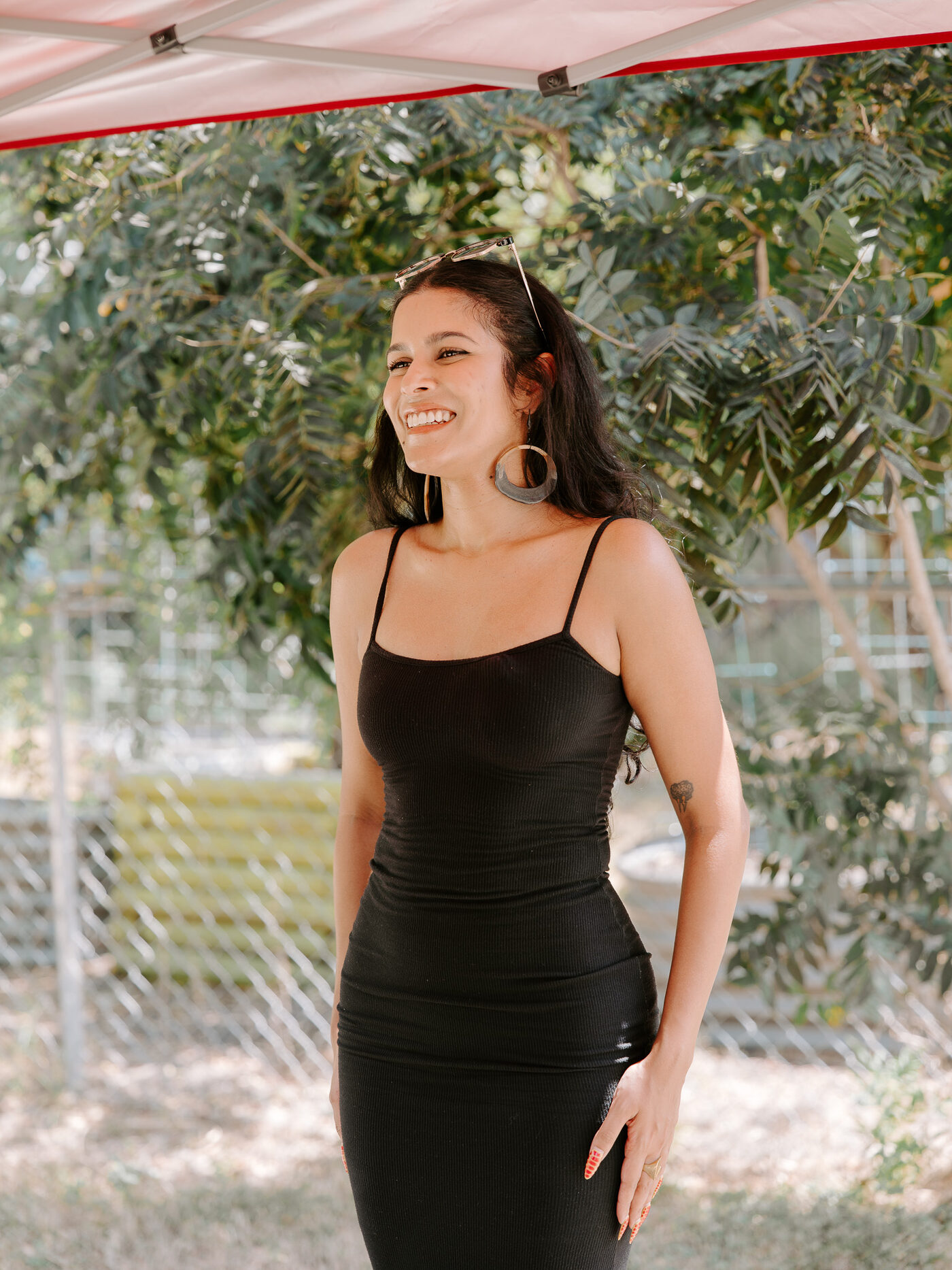
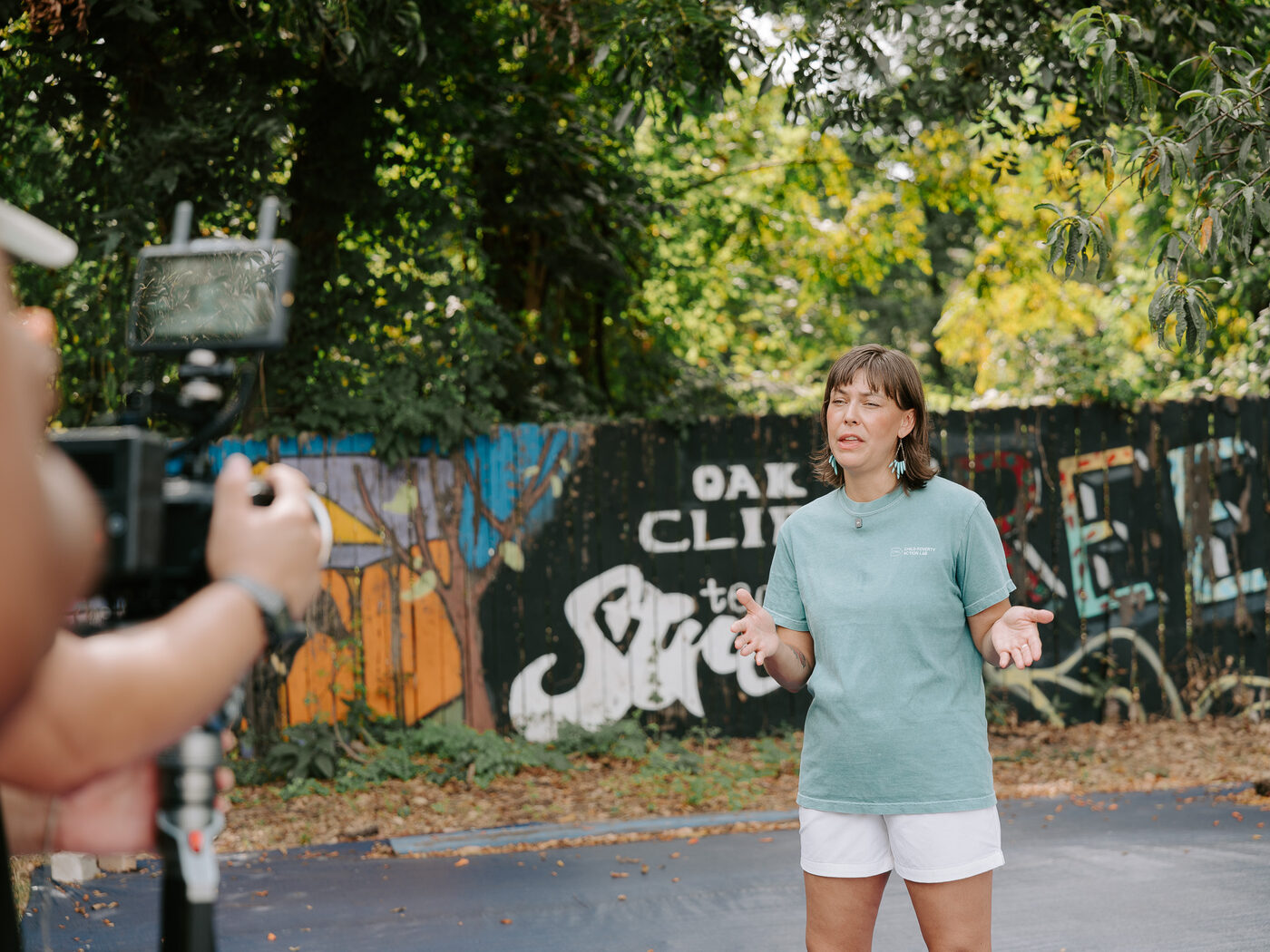
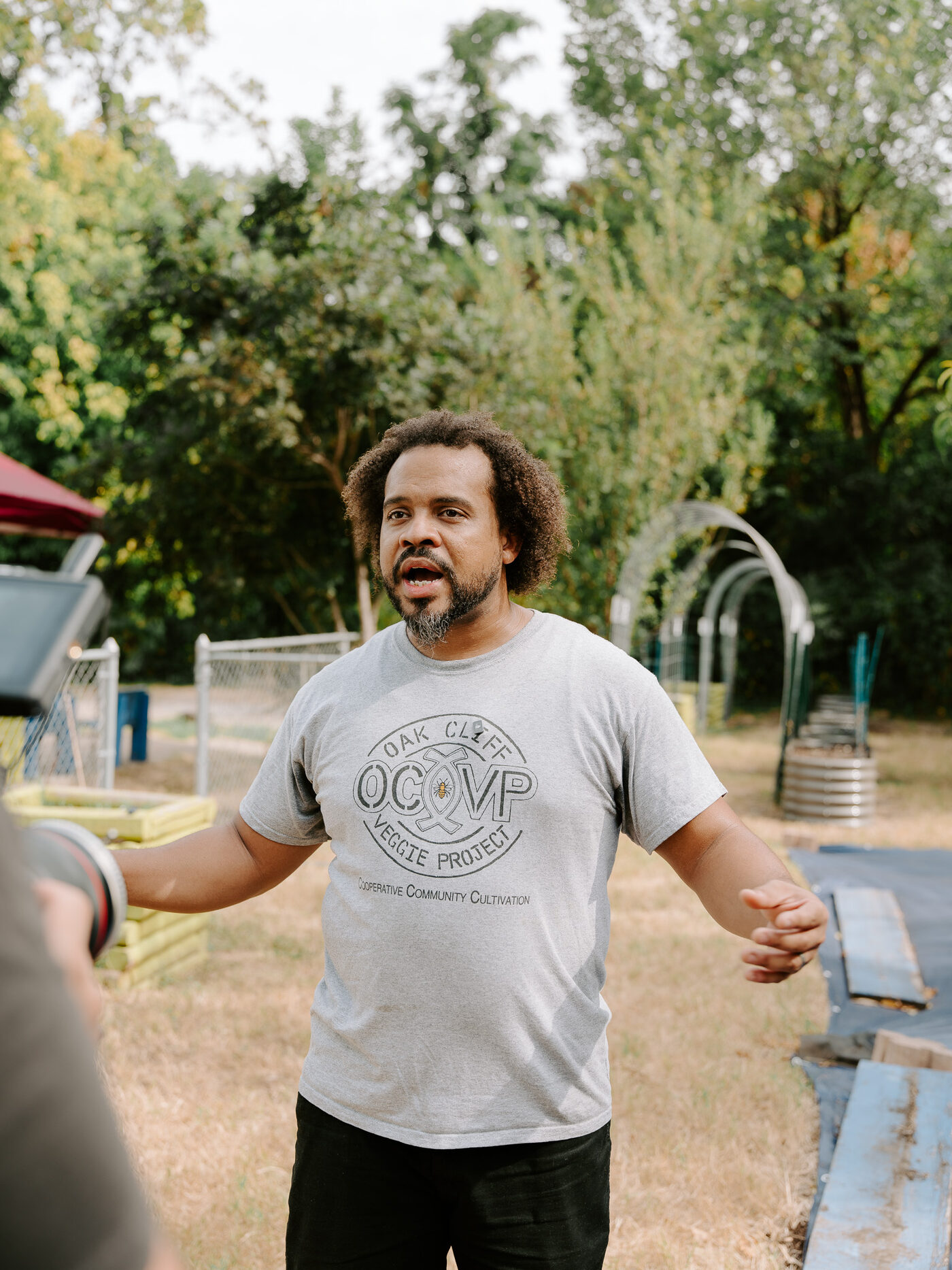
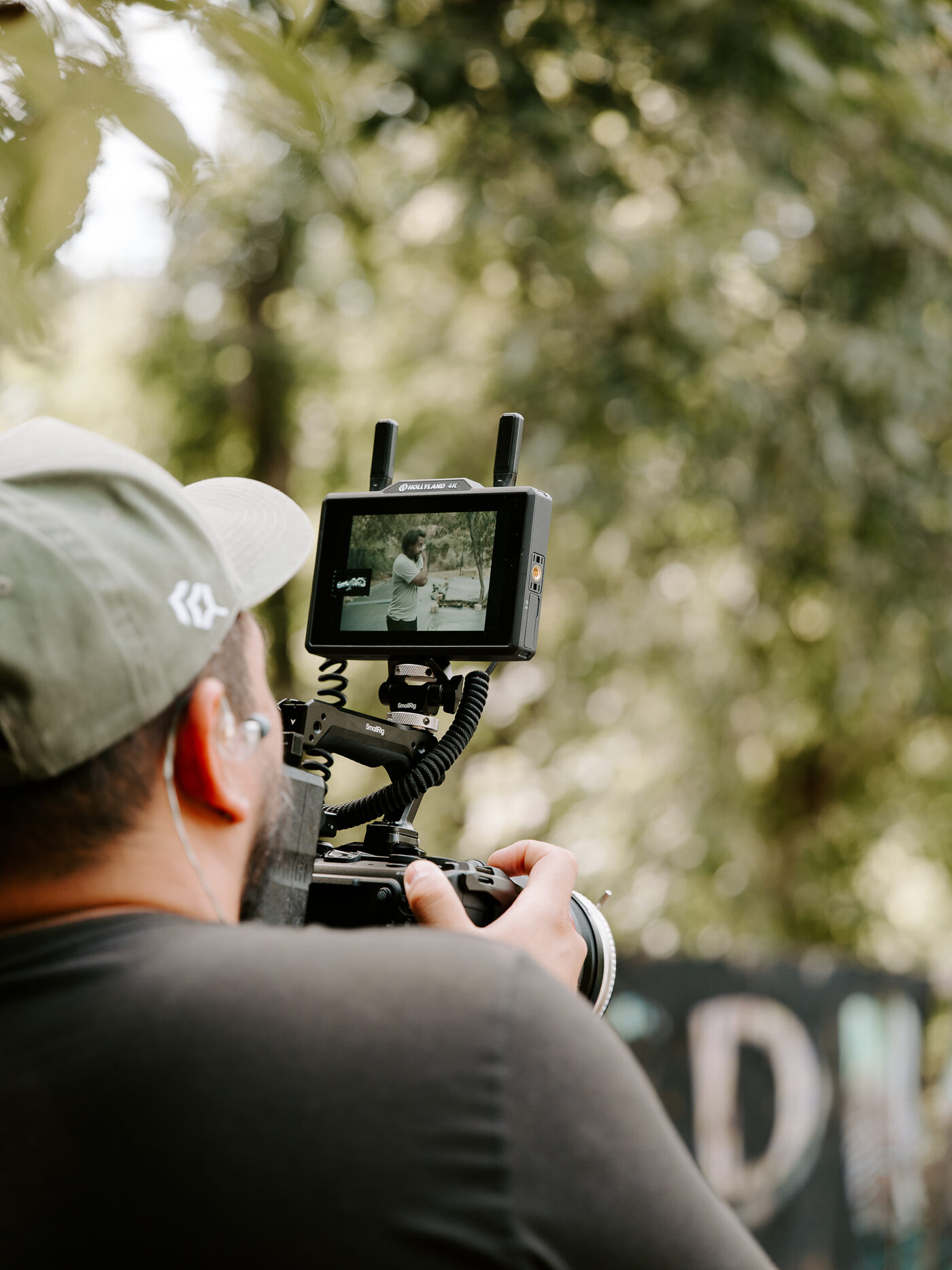
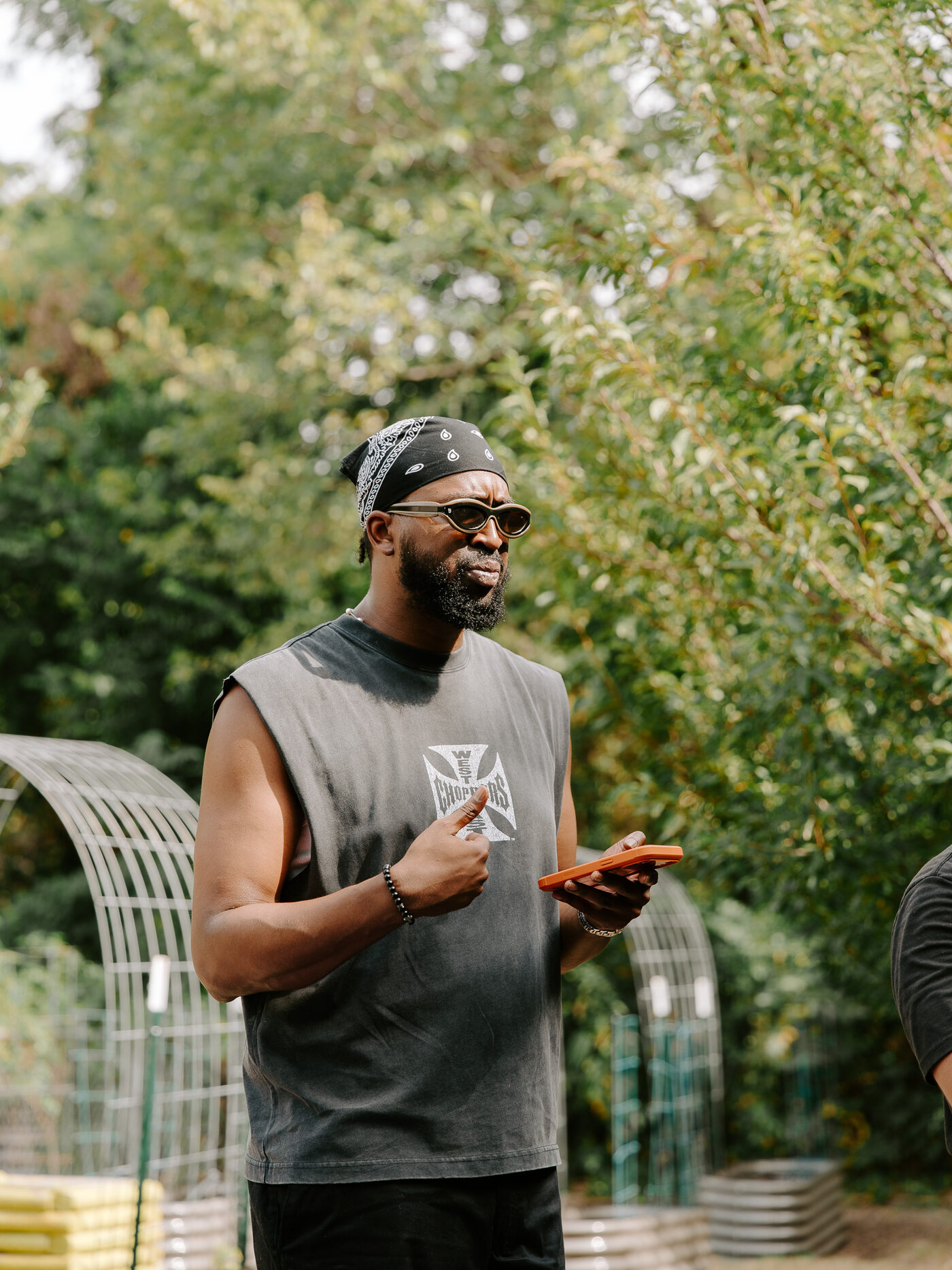
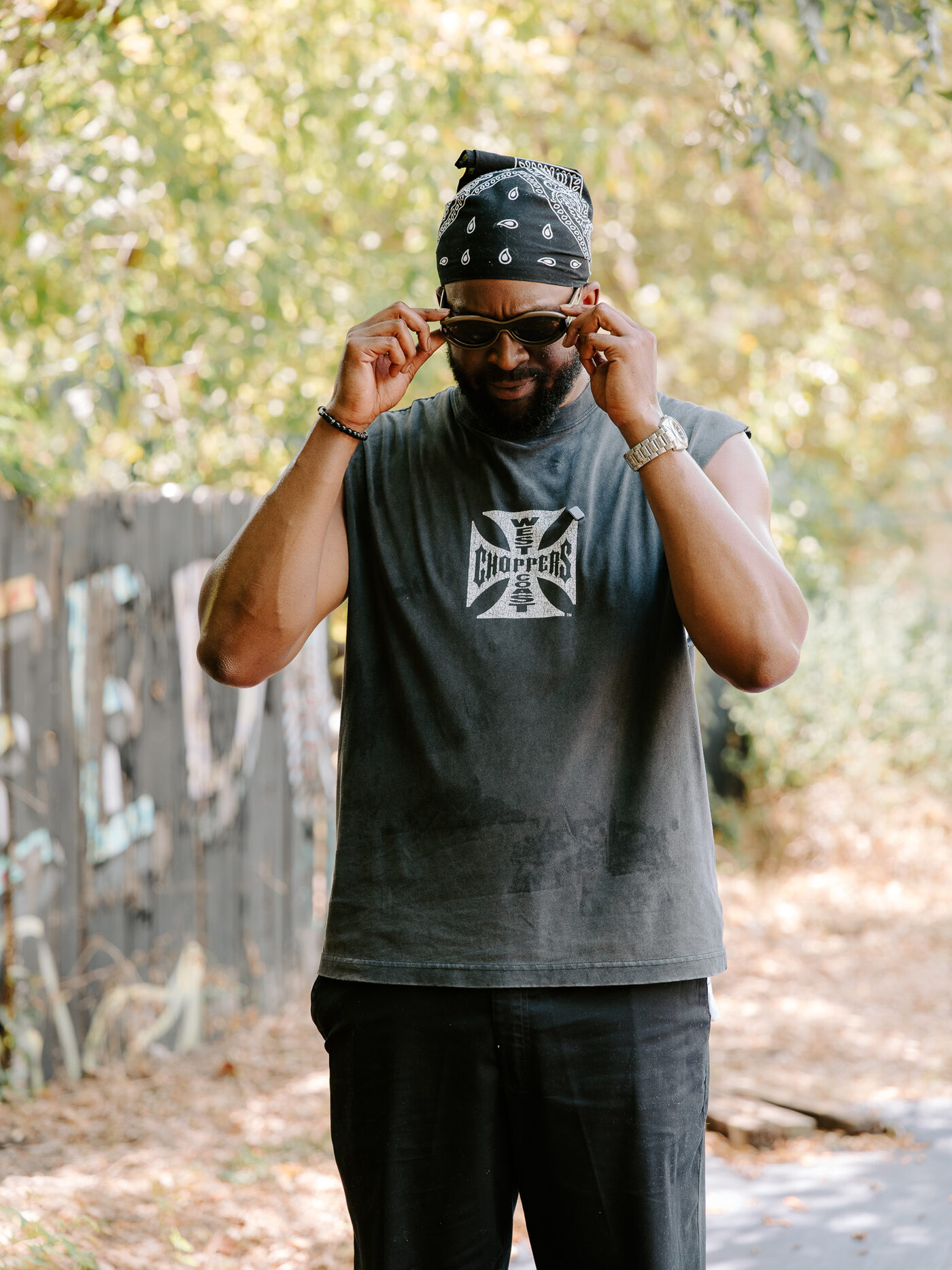
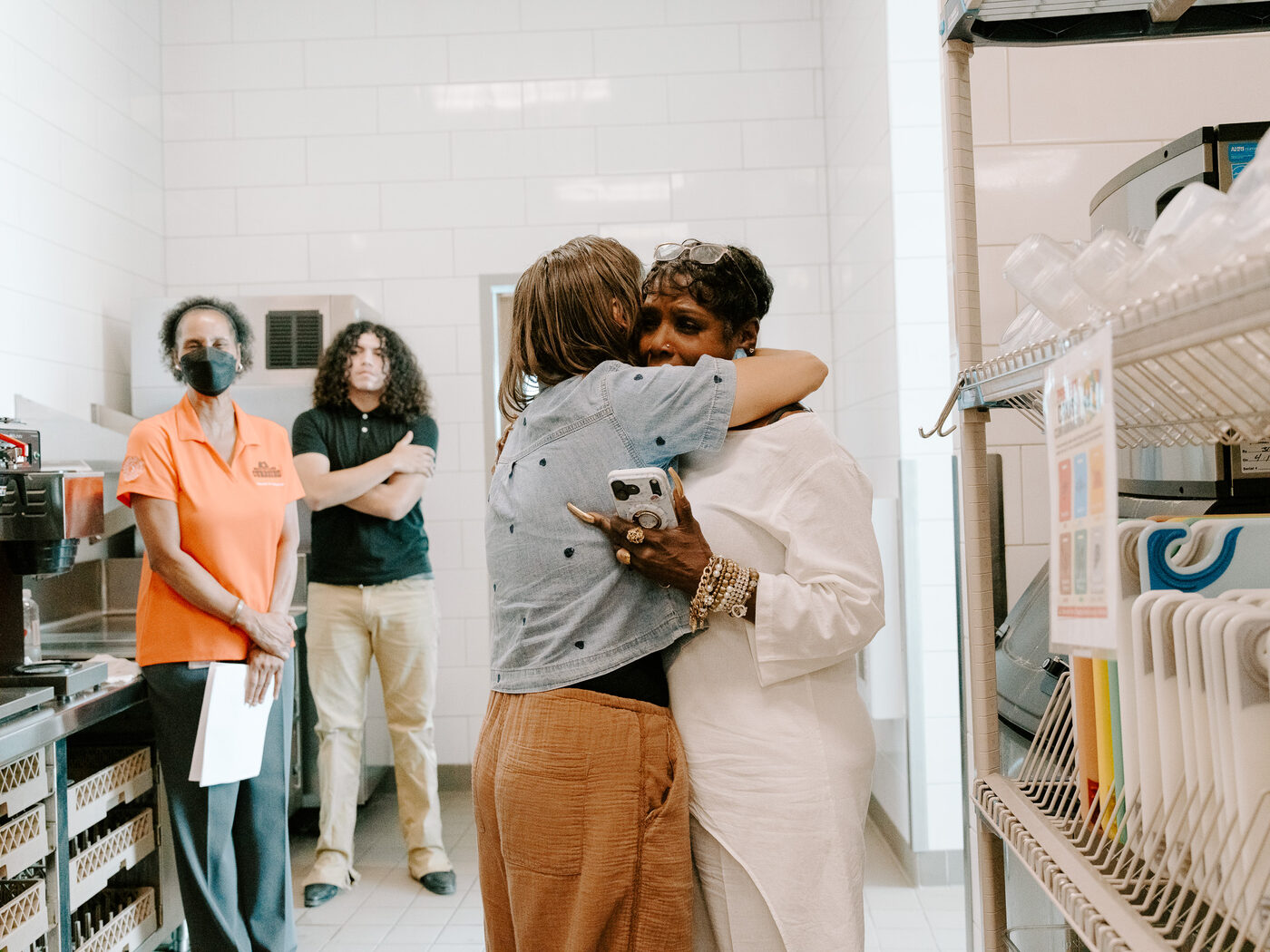
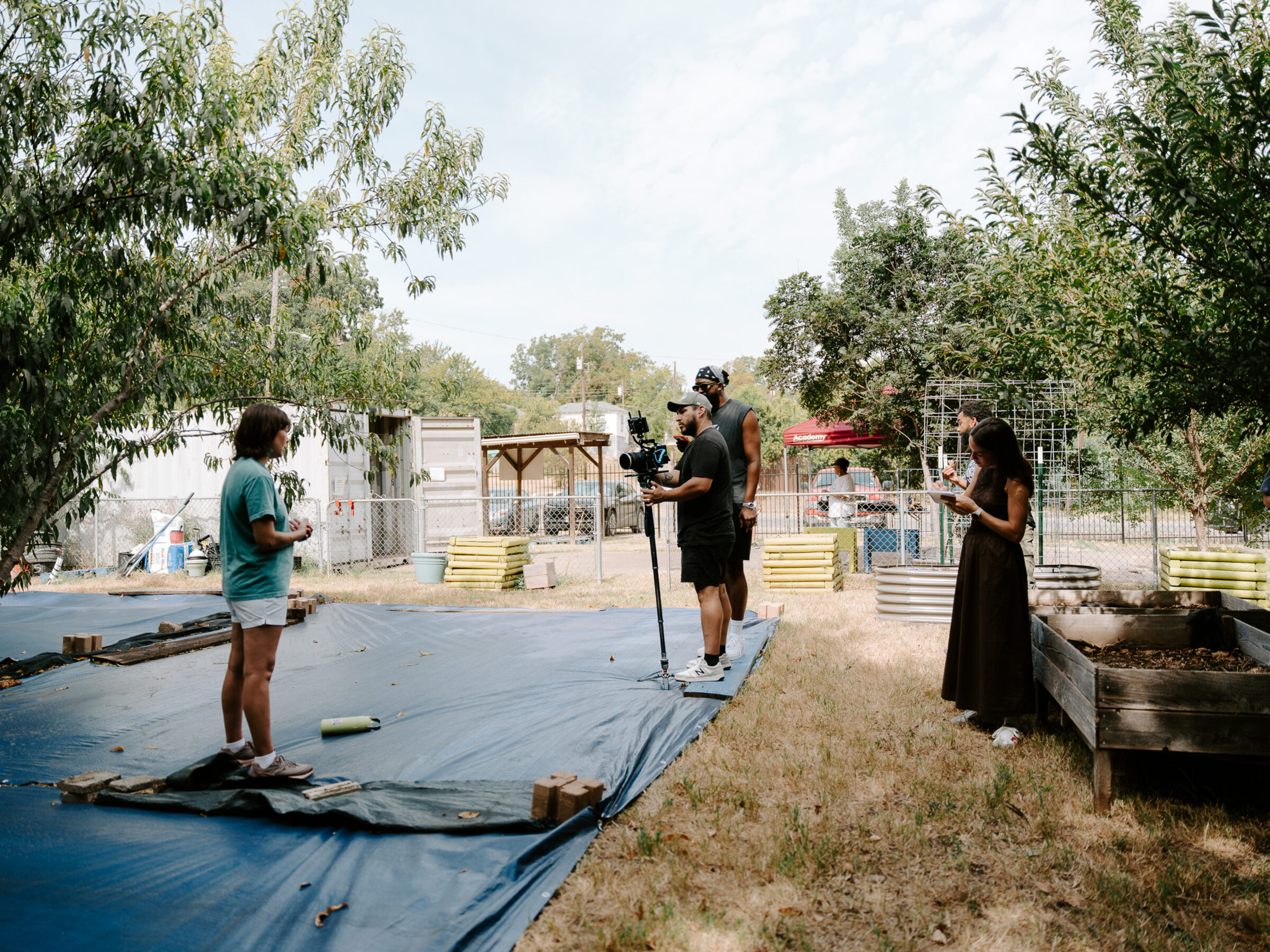
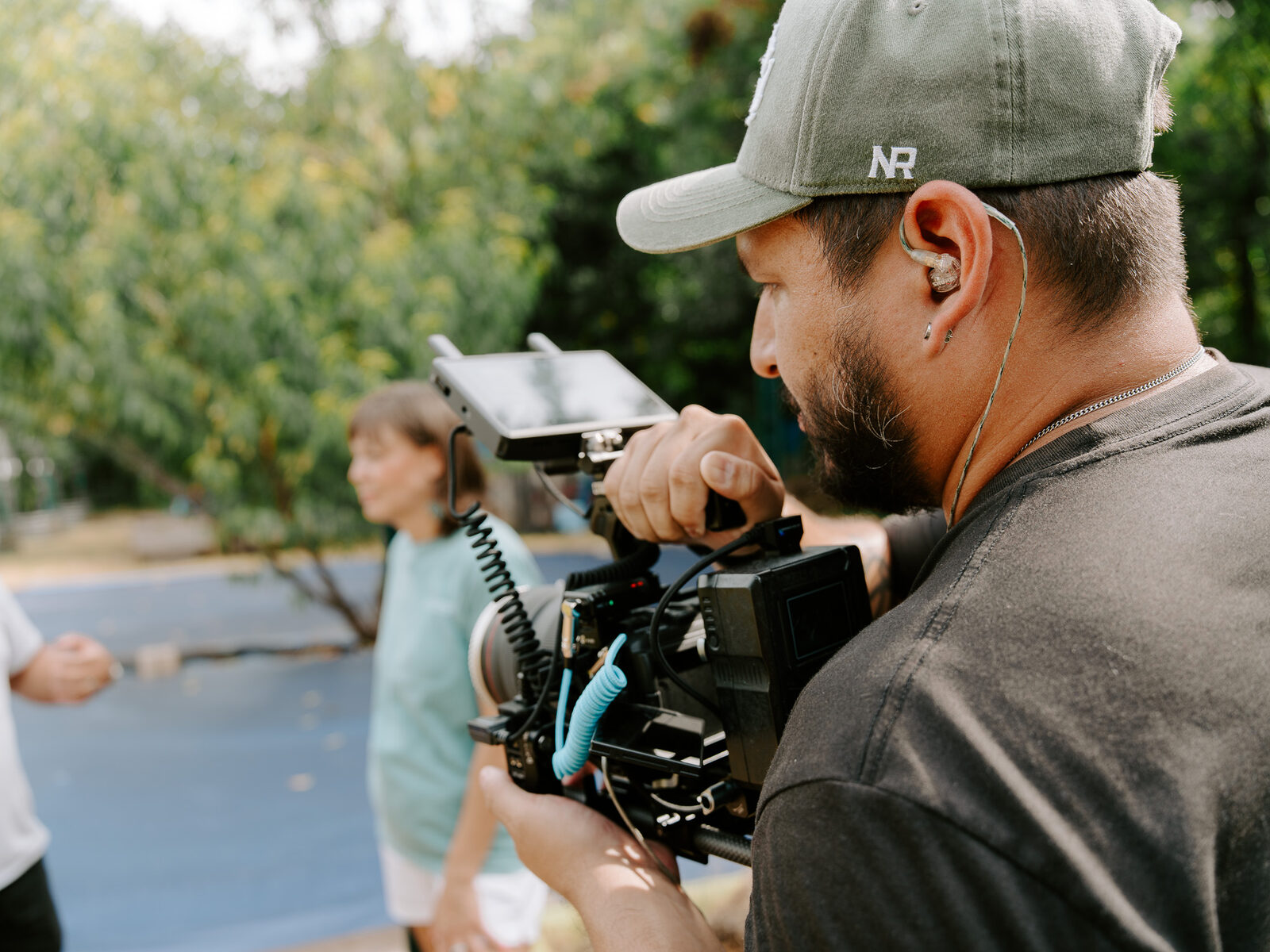
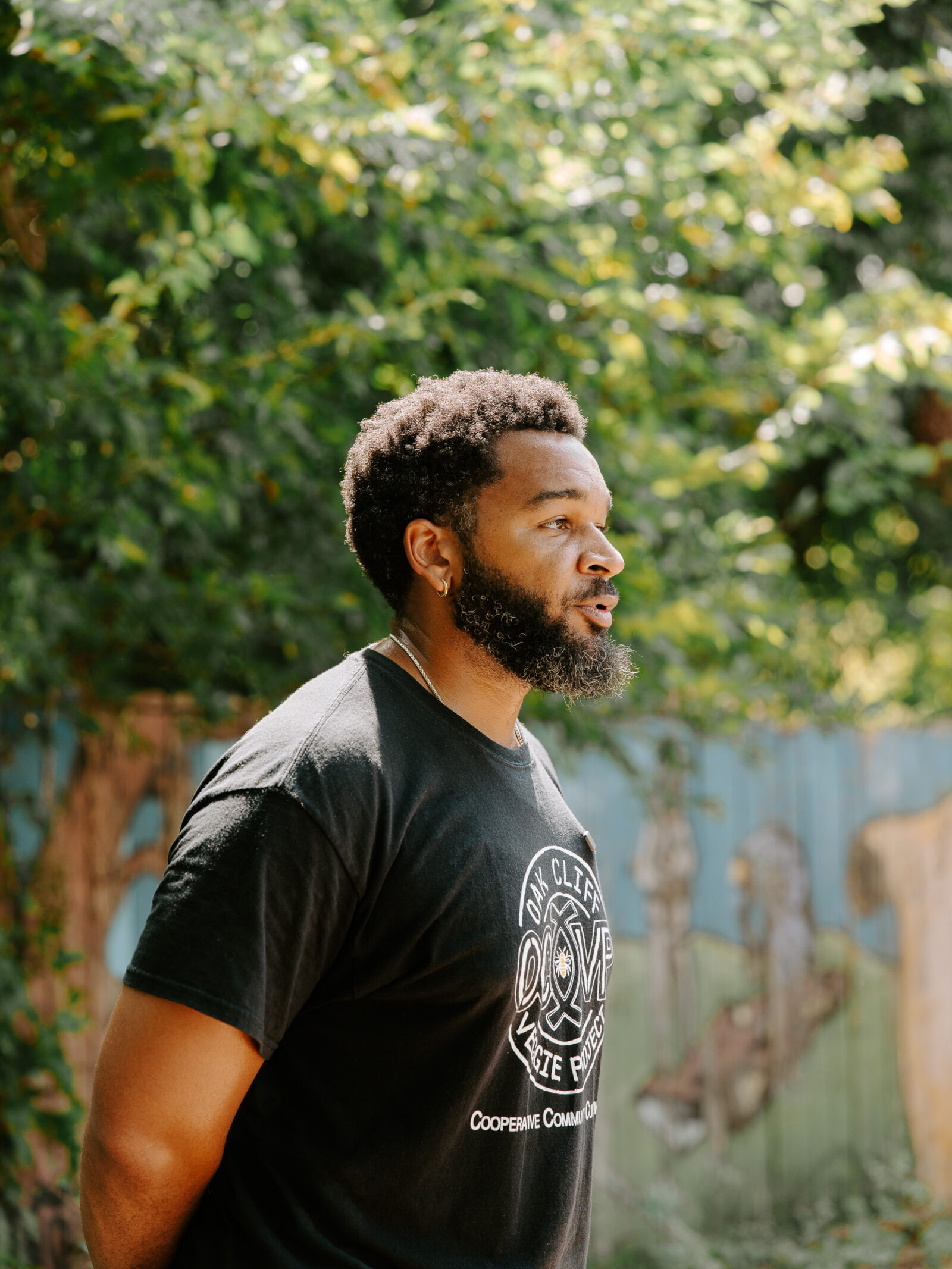
We shot across three locations: the 10th Street Community Garden, Roosevelt High School, and OCVP's distribution site. Bettie Montgomery on starting it with her family. Her son Ples on carrying it forward. President Nelson on what a Freedman's Town was and why this ground still matters. A volunteer named Sarah on what a garden work day actually feels like. Staff and students on the greenhouse and the hydroponics lab being built for them. The footage was then cut for every place the campaign had to run.
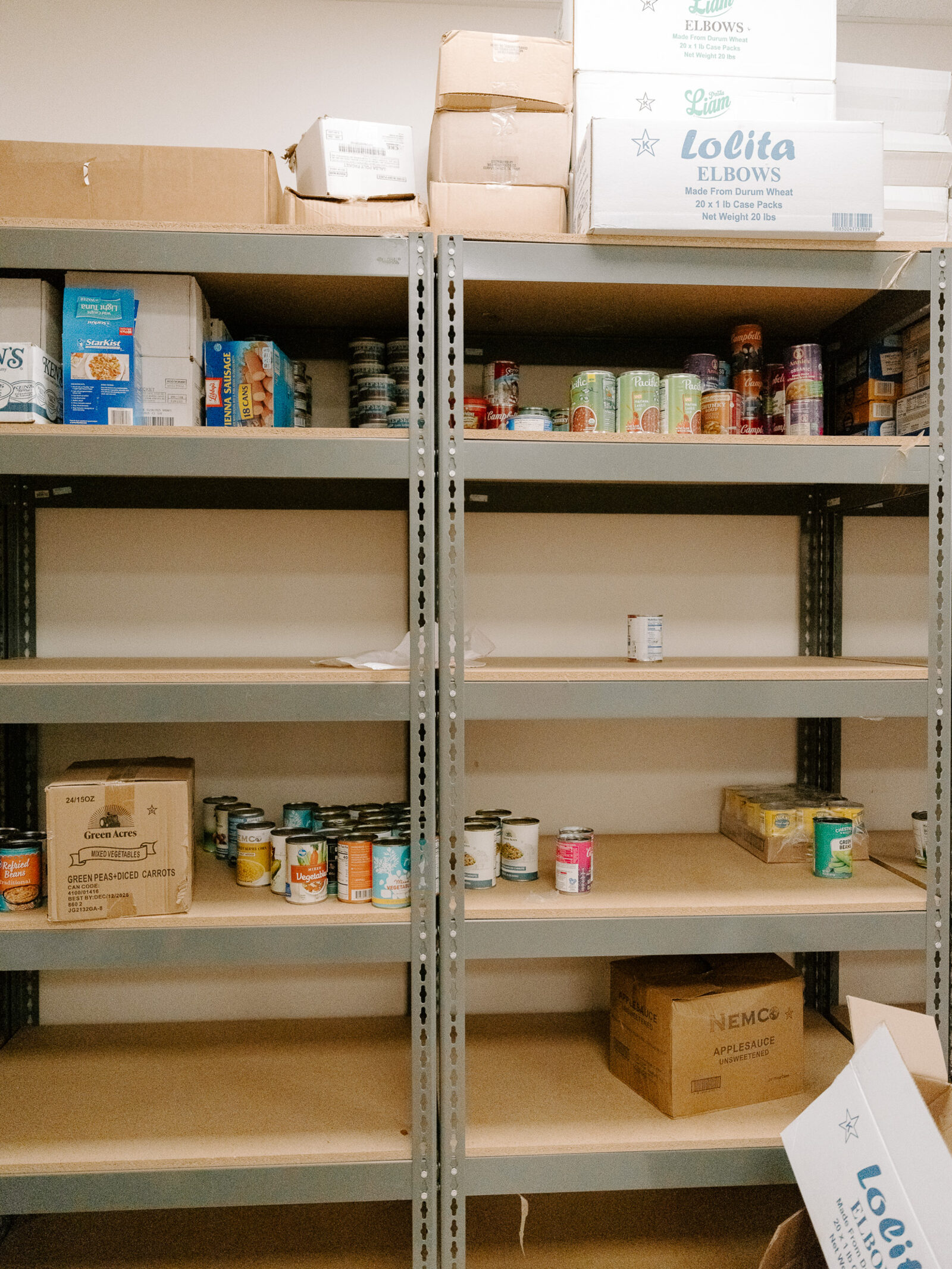
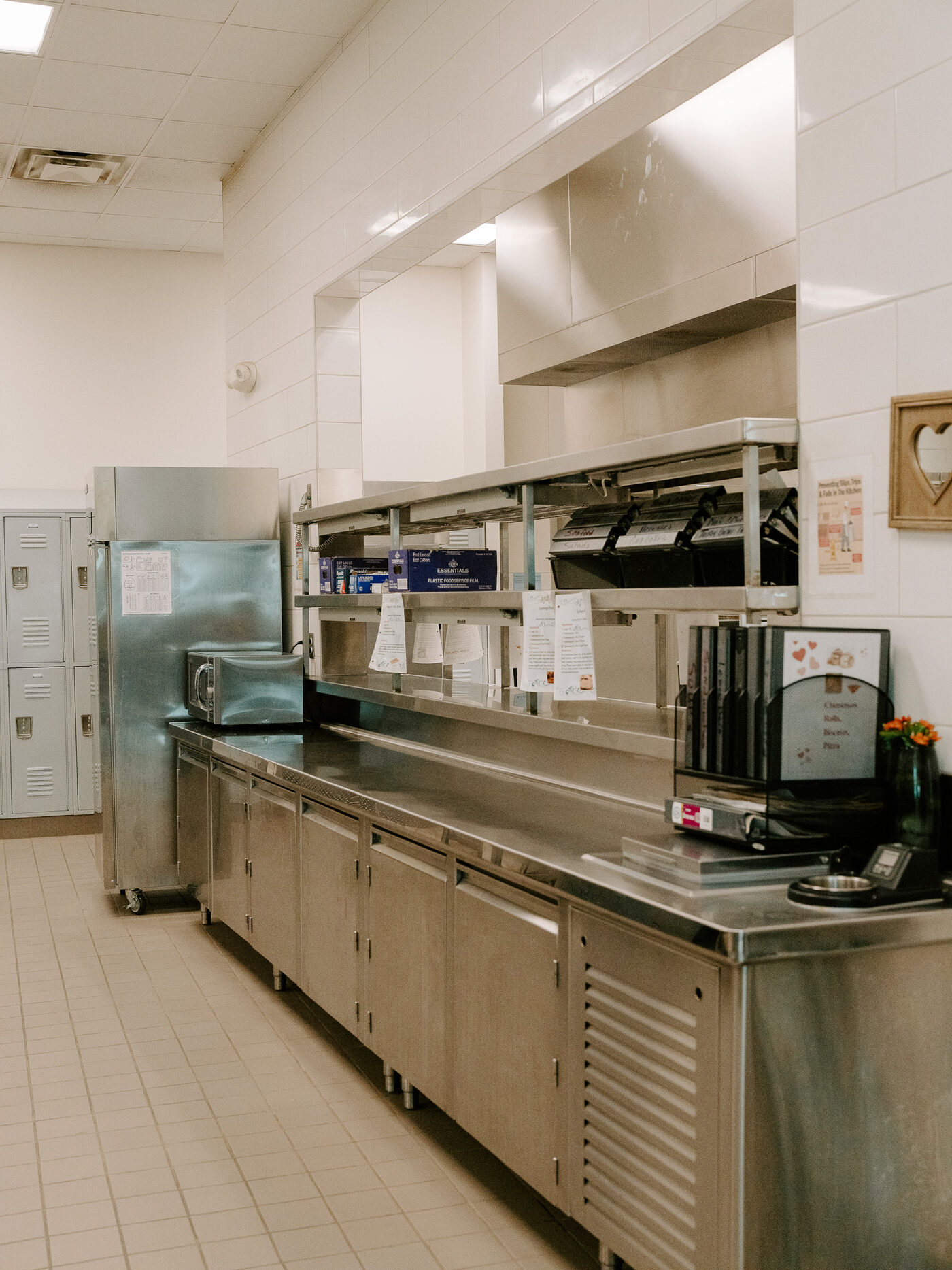
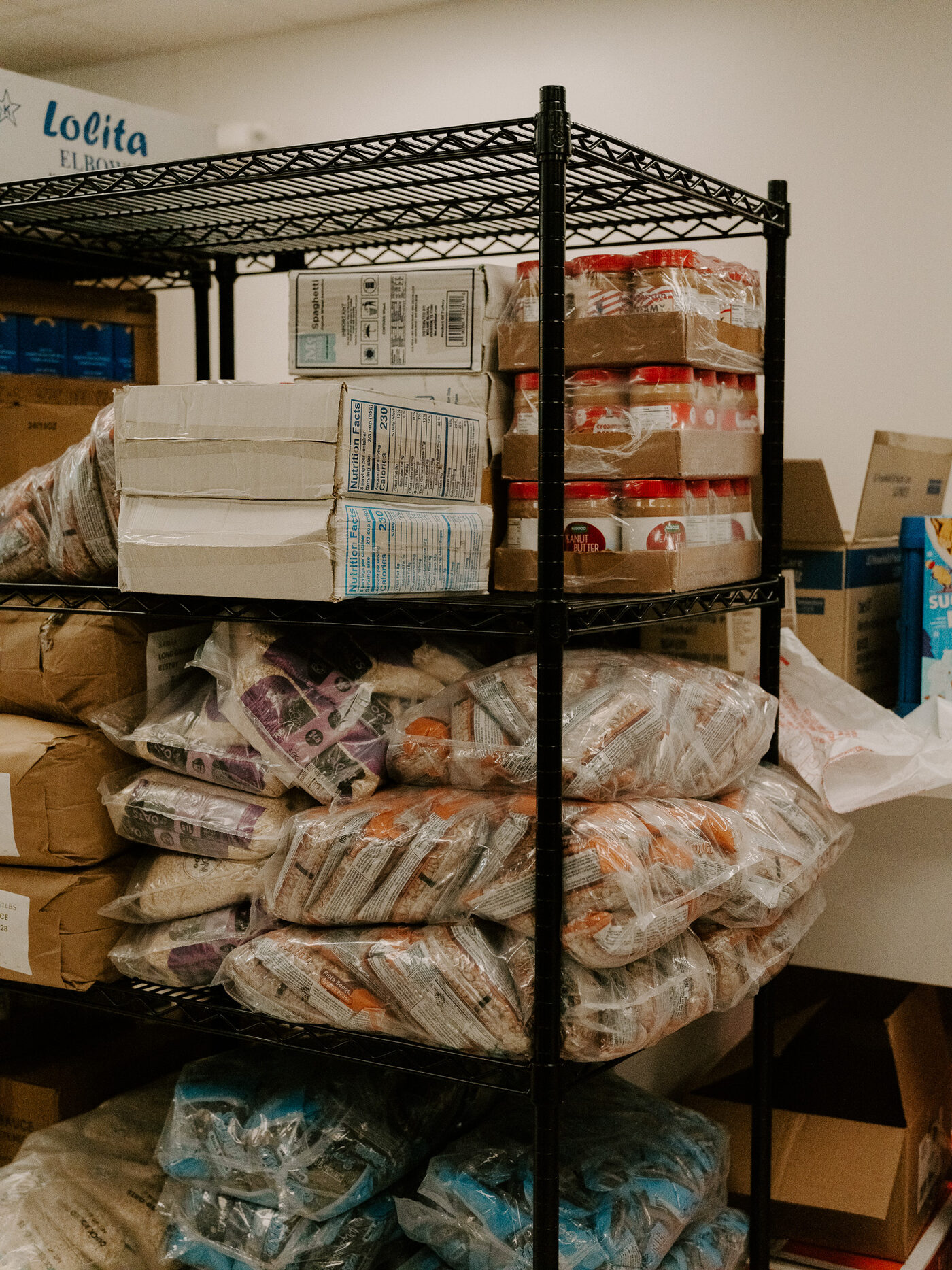
A food desert is difficult to photograph, because absence does not look like much. So we shot both halves in one body of work: the near-empty pantry shelving and the chest freezers OCVP works to keep stocked, alongside the raised beds, the greenhouse frames, and the culinary lab where students learn what to do with the food. Images OCVP can use in a grant application, a donor deck, or a post, without hiring a photographer each time.
The films only work if something carries them. We wrote the long-form piece that gives a donor the full history and the specific ask, plus platform posts built around single voices: Bettie on legacy and the next generation, Nelson on Freedman's Towns and the 10th Street garden, Sarah on volunteering. Each one lands on the donation page, tagged to North Texas Giving Day and #SignsOfGiving.
Thirty days into the campaign, OCVP's Instagram had reached 12,487 people, and roughly half of them did not follow the account when the month started. Reels carried 30,000 of the views and feed posts another 22,000, which is the split the campaign was built for: short films to reach people who have never heard of Tenth Street, and posts that give them the history once they arrive. The reach matters, but the library matters more. OCVP now holds a film, photography, and editorial set it can run against every giving day that follows.
Views in the campaign's first 30 days
Interactions across the campaign
New followers on OCVP's Instagram