Nonprofits are often told to tell better stories.
“Show the impact.” “Focus on the people you serve.” “Make the audience feel something.” It is all good advice. It also ignores a hard fact: a great story is not the same thing as a fundable campaign.
You can have a beautifully produced video, a moving testimonial, and powerful images running across social. The story can be authentic and honest. And the campaign can still fail to move anyone to give. Storytelling on its own is not a fundraising strategy.
Before you tell the story, you need a strategy.
For nonprofits seeking funding and support, the goal is not to tell people what your organization does. The goal is to establish a clear connection between your audience's values and your organization's work.
Make the need mean something
A traditional fundraising appeal usually opens with information: how many people the organization serves, how much money needs to be raised, where that money goes. Those details matter. On their own, they lack the meaning only a story can give.
A story gives an audience someone to connect to. It makes the issue human.
That is why stories outperform a purely logical appeal. A story does not just communicate the need, it makes the need palpable for everyday people. It is easy to stop there. We would say that is only the start.
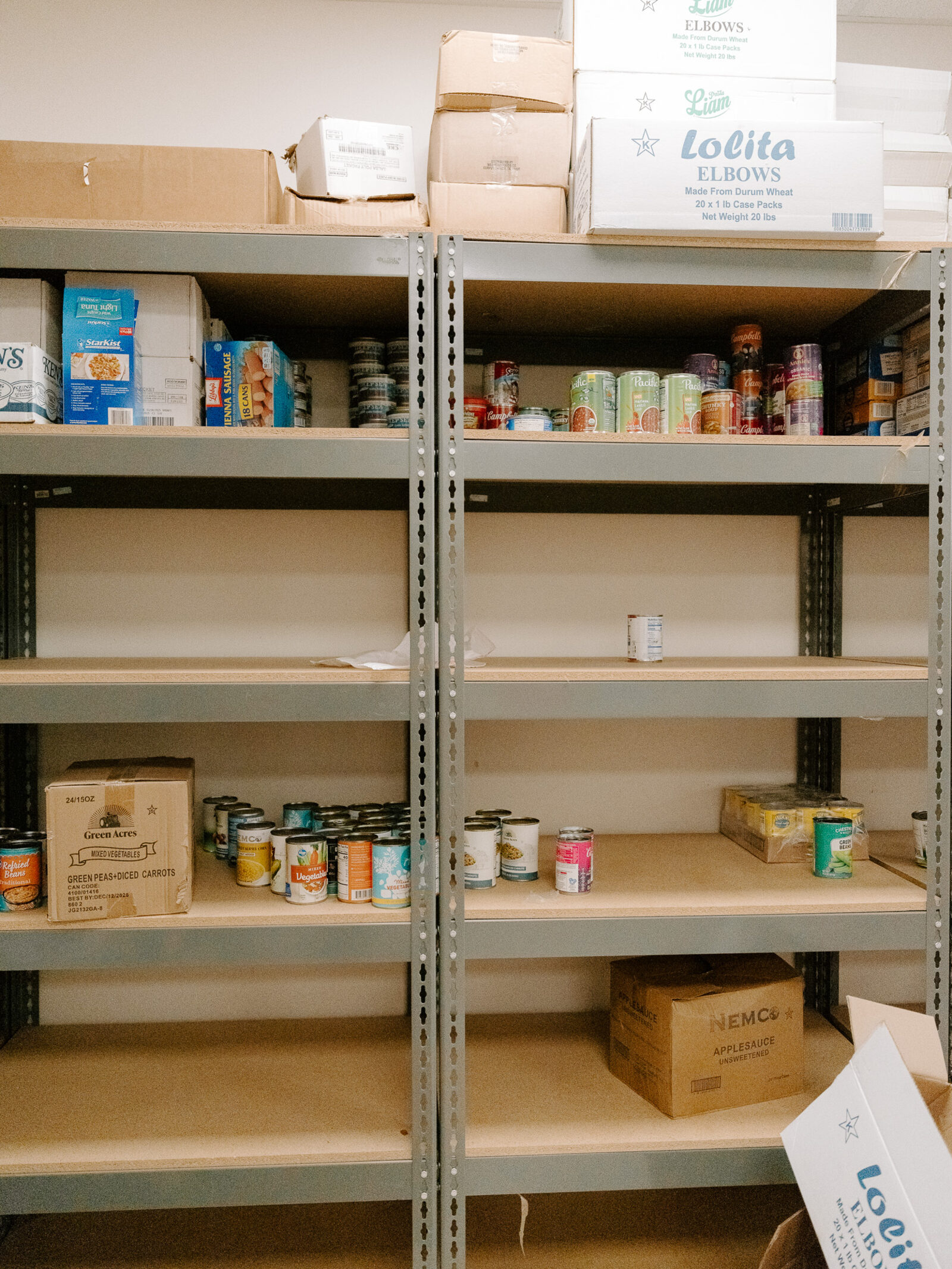
Back the storytelling with strategy
Every other nonprofit doing meaningful work has a good story too. So before deciding what to say, you need clarity on what the campaign is actually designed to accomplish. Three questions help:
- Why is this the right story to tell right now?
- Who do we want to hear it? First-time donors, or long-time supporters?
- What belief or behavior has to change for them to act?
Asking the right questions is the strategic work behind any effective campaign.
What makes a campaign fundable
Four things, in this order, before anyone picks up a camera.
1. A clear human truth
The best stories are not simply dramatic. They reveal a core truth about the problem and illuminate the opportunity to change it. A strong campaign starts when you identify the tension at the heart of the story.
Tension lives in what people believe, or falsely believe, about an issue. In why they do or do not act. In why past efforts to solve the problem have not worked.
2. A specific audience
Trying to speak to everyone results in speaking to no one. A strong strategy starts by defining exactly who you are trying to reach.
First-time donors may need an introduction to the problem. Longtime donors may need help understanding why this particular moment matters. Whoever the audience is, understand where they are and meet them there.
3. A tangible opportunity for impact
“Support our mission” is rarely as powerful as showing someone what their support can actually do. People act when they can see the relationship between their contribution and the change it creates.
The more clearly a donor can picture the future their support helps create, the easier it is for them to see themselves inside it.
4. A moment that creates momentum
Timing matters. A fundable campaign needs a reason to act now. Someone may want to give and still not understand why today.
Intersect the story with a milestone, a recent change in the community, a limited-time opportunity, a cultural moment, a policy passing. Urgency does not have to be dramatic to work. It just needs to answer the “why now” question clearly.
What this looked like for the Oak Cliff Veggie Project
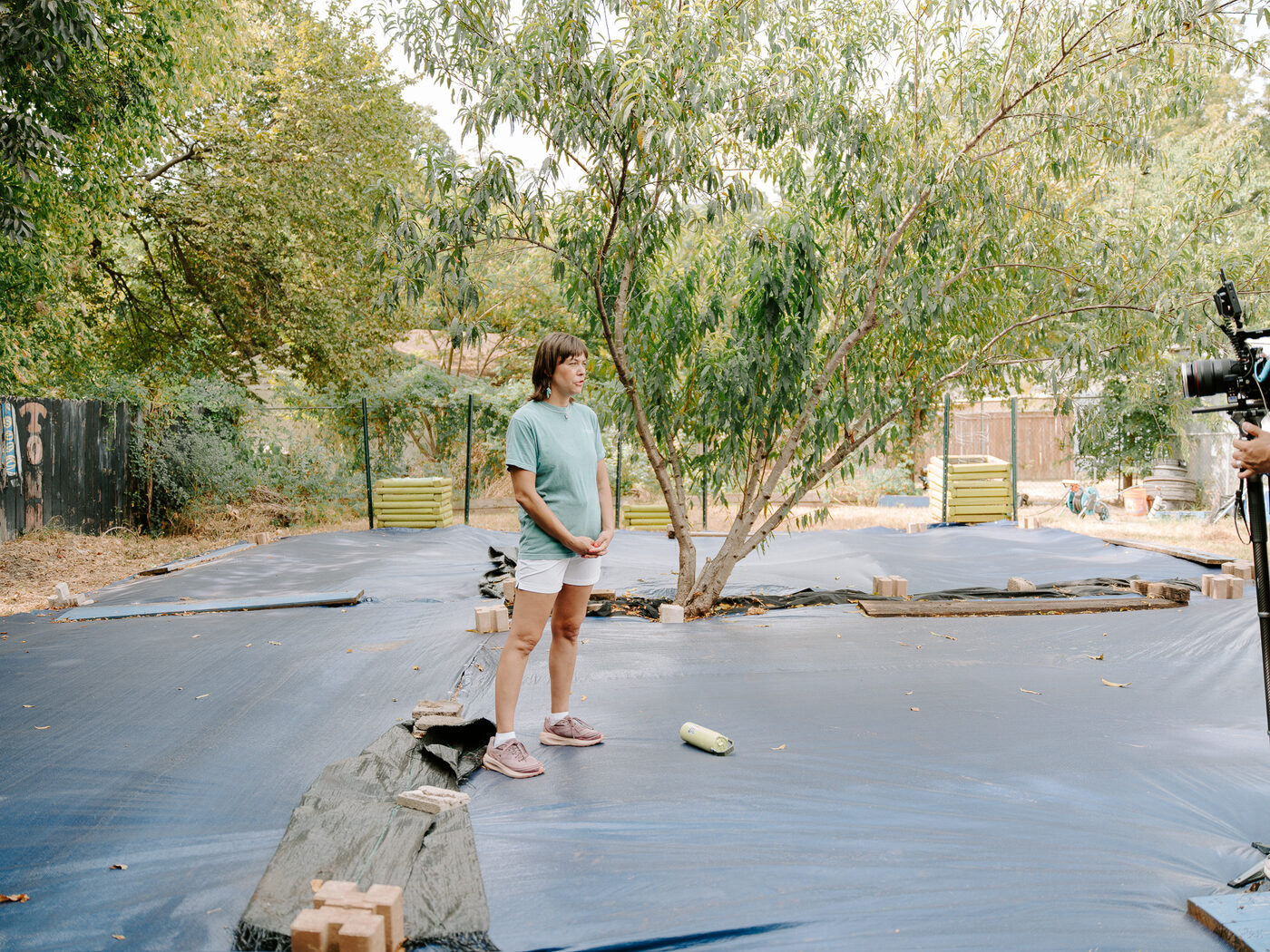
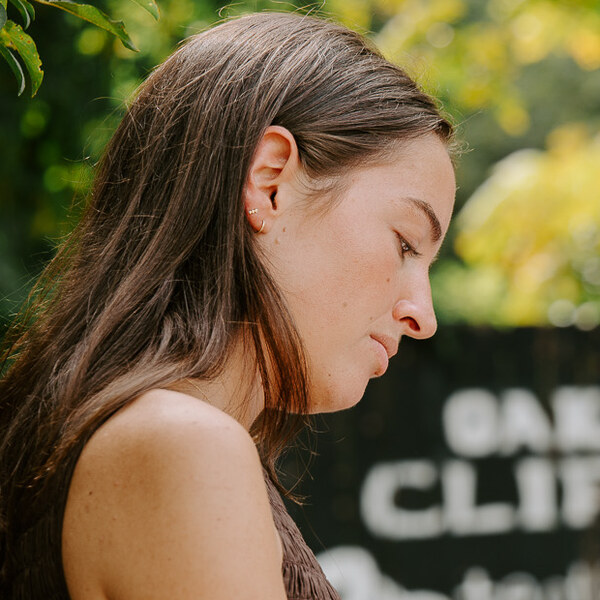
The Oak Cliff Veggie Project grows fresh produce in Dallas' historic Tenth Street neighborhood, one of the few remaining Freedman's Towns in the country. Interstate 30 came through in the 1950s and took hundreds of structures with it. Residents left, grocery stores closed or relocated, and a food desert settled in and stayed. OCVP has been answering that with raised beds, food distributions, and school sites for years.
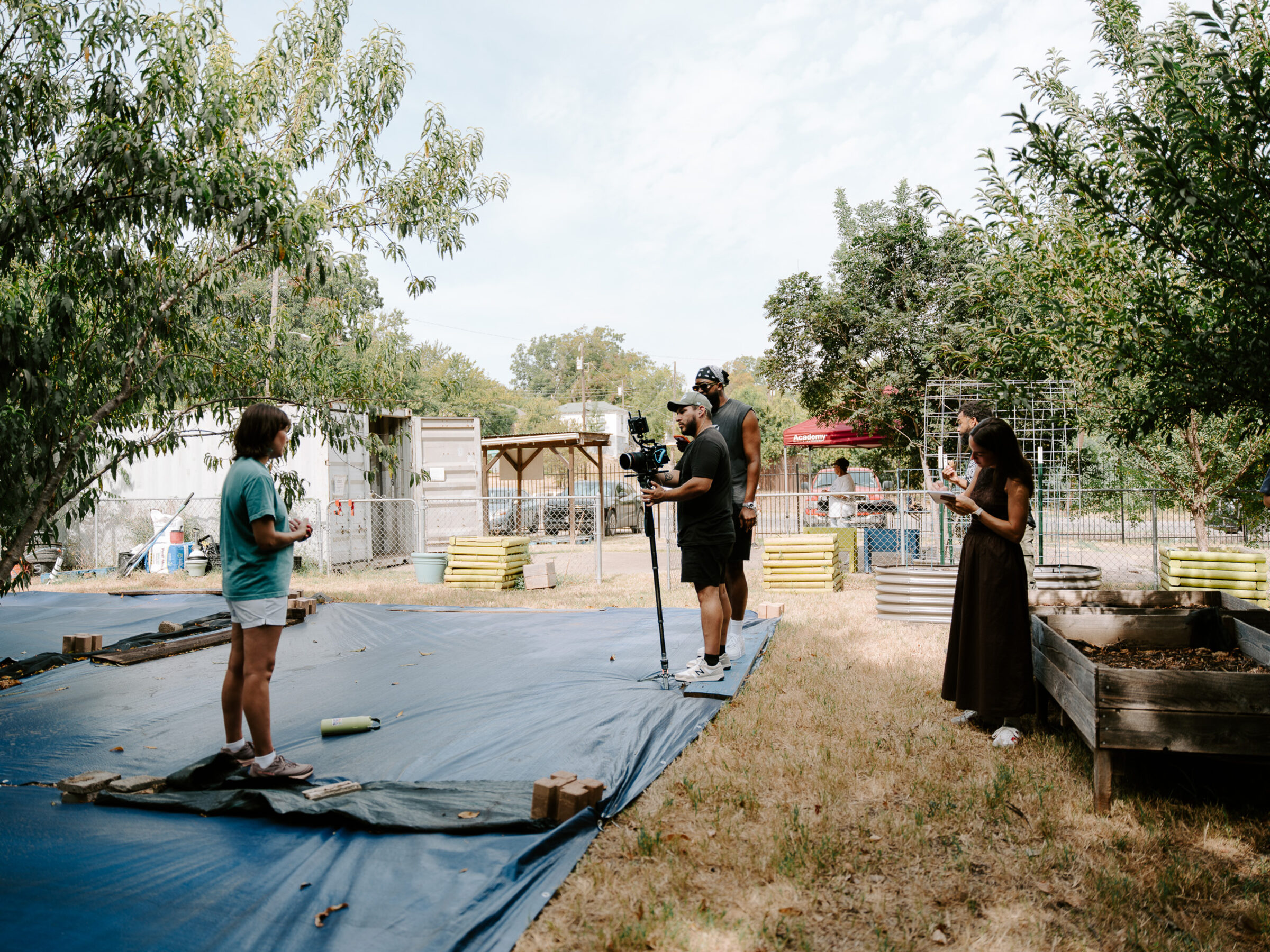
When we built their North Texas Giving Day campaign, we ran all four tests before a single frame was shot.
- The human truth: a community garden reads to most donors as a nice gesture. In Tenth Street it is infrastructure, and it is the second time this neighborhood has built its own institutions because no one else would.
- The audience: Dallas donors who give on North Texas Giving Day and have never heard of Tenth Street.
- The opportunity: a $50,000 goal tied to what it actually buys, which is more frequent distributions, fuller food bags, working transport trucks and cold storage, and staff for the education work.
- The moment: North Texas Giving Day itself. One date, one ask.
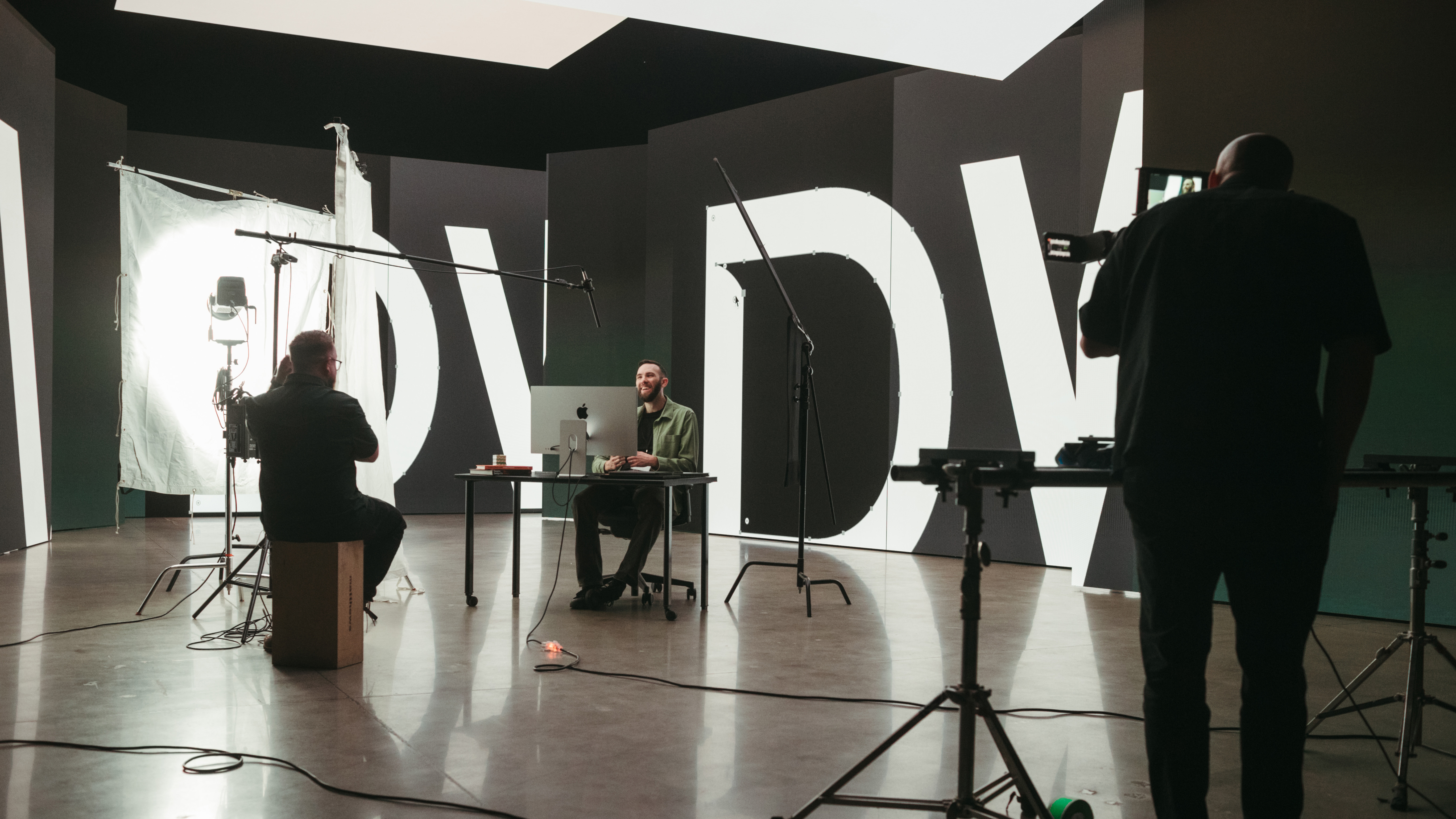
Only then did we shoot. Six short vertical films, a photography set covering both the shortage and the answer to it, a long-form piece carrying the full history, and a run of platform posts built around single voices. In the campaign's first thirty days, OCVP's Instagram put the garden in front of 12,487 people and drew 57,000 views, roughly half of them from people who did not follow the account when the month began.
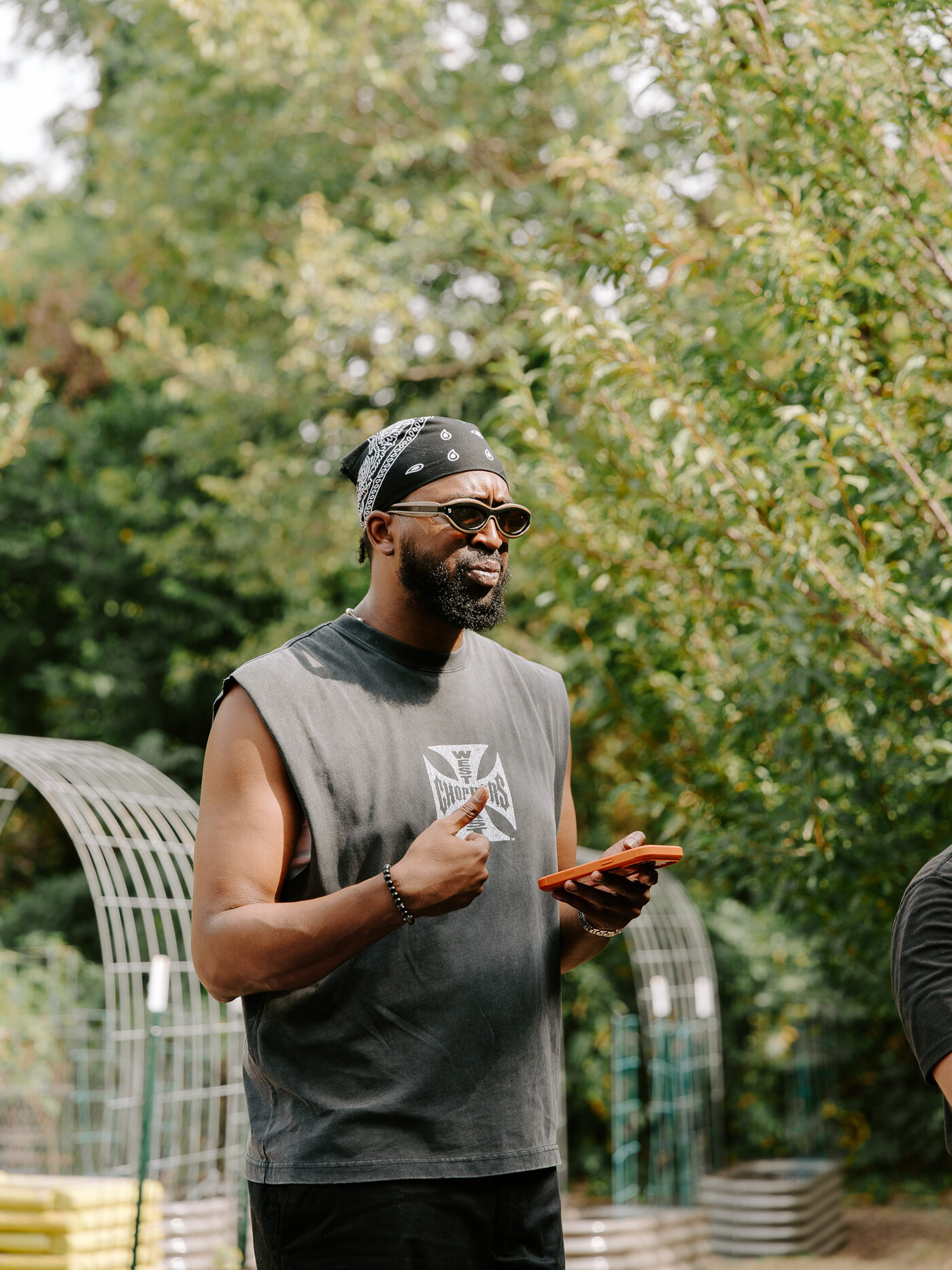
The reach matters. What matters more is that OCVP now holds a library of film, photography, and copy it can run against every giving day that follows. See the full Oak Cliff Veggie Project case study, or read more about how we work as a nonprofit marketing agency in Dallas–Fort Worth.
A path to action
One of the biggest mistakes organizations make is treating storytelling as a single asset. The story should be the connecting thread through every campaign asset, and each one should move the audience a step closer to giving.
Someone might first meet the campaign through a social post. From there they visit the website, sign up for emails, learn more about the organization, and eventually get asked to give. Each interaction builds on the last, moving them toward understanding, belief, and action.
The approach is not posting the same message everywhere. It is building a cohesive experience where every asset has its own job.
Strategy makes your story work
There is no shortage of meaningful stories inside the nonprofit sector. The challenge is turning those stories into something that does more than inspire. People do not give simply because they heard a good story. They give when the story helps them understand why it matters, why your organization matters, and how they can tangibly act.
At Good Word, we do not just help you tell your story. We build the strategy that makes it work, then produce the film, photography, and social content that carries it.
Frequently asked questions
What makes a nonprofit campaign fundable?
A fundable nonprofit campaign has four things in place before production begins: a clear human truth that names the tension at the heart of the issue, a specific audience rather than everyone, a tangible opportunity that shows a donor what their gift buys, and a moment that answers “why now.” Storytelling without those four is awareness, not fundraising.
What is the difference between nonprofit storytelling and campaign strategy?
Storytelling decides what you say. Strategy decides who needs to hear it, what belief has to change, what you want them to do, and when. A campaign built on storytelling alone can be moving and still raise nothing, because nobody was given a reason to act on a specific day.
How do you choose the audience for a nonprofit fundraising campaign?
Start from the action you need, then work backward. First-time donors need an introduction to the problem before they will give. Longtime supporters usually understand the problem and need a reason this particular moment matters. Naming which of the two you are talking to changes the script, the run of assets, and the ask.
What does “why now” mean in a fundraising campaign?
It is the reason a donor should give today rather than eventually. It can be a giving day, a milestone, a change in the community, a matching window, a policy passing, or a cultural moment. Urgency does not have to be an emergency. It just has to be specific and true.
How long does a nonprofit video and social campaign take to produce?
For a campaign the size of the Oak Cliff Veggie Project's, strategy comes first, then a shoot across the organization's locations, then edit and rollout. The Oak Cliff campaign was produced over one summer and delivered six short films, a photography set, a long-form article, and a run of platform posts. Timelines scale with the number of locations and the number of assets a campaign needs.
What does a nonprofit marketing agency actually deliver?
At Good Word, a nonprofit engagement typically includes campaign strategy, brand and messaging work, video production, photography, and social content, plus the accessibility deliverables that public-facing organizations need. See our nonprofit marketing services or the full case study library.
From brand strategy to storytelling, we help mission-driven organizations find their voice, focus their message and create work that moves people to act.